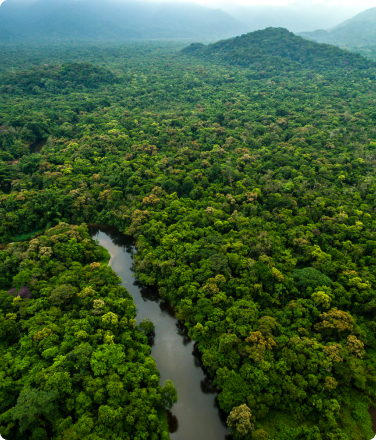
Increasingly extreme droughts are pushing the Amazon toward ecological collapse: In recent decades, the Amazon rainforest—one of the most humid regions on the planet—has experienced multiple historic droughts that have dried rivers, intensified fires, devastated wildlife, and affected Indigenous and local communities. Scientists warn that climate change, deforestation, and rising temperatures are making these events more frequent and severe.
Climate change is making extreme droughts more frequent and severe in the Amazon. In 2023-2024, some areas experienced their most extreme conditions in over a century.
Prolonged droughts, deforestation, fires, and rising temperatures are pushing parts of the Amazon toward a tipping point, where the rainforest fails to regenerate and begins emitting more carbon than it absorbs.
By 2050, scientists warn that nearly half of the Amazon could transition into a savanna-like ecosystem, with far-reaching impacts for the global climate.
The Amazon has experienced increasingly severe droughts in recent decades, including major events in 2005, 2010, 2015–16, with 2023 and 2024 the most extreme on record. These repeated droughts have had cumulative and lasting impacts on the forest.
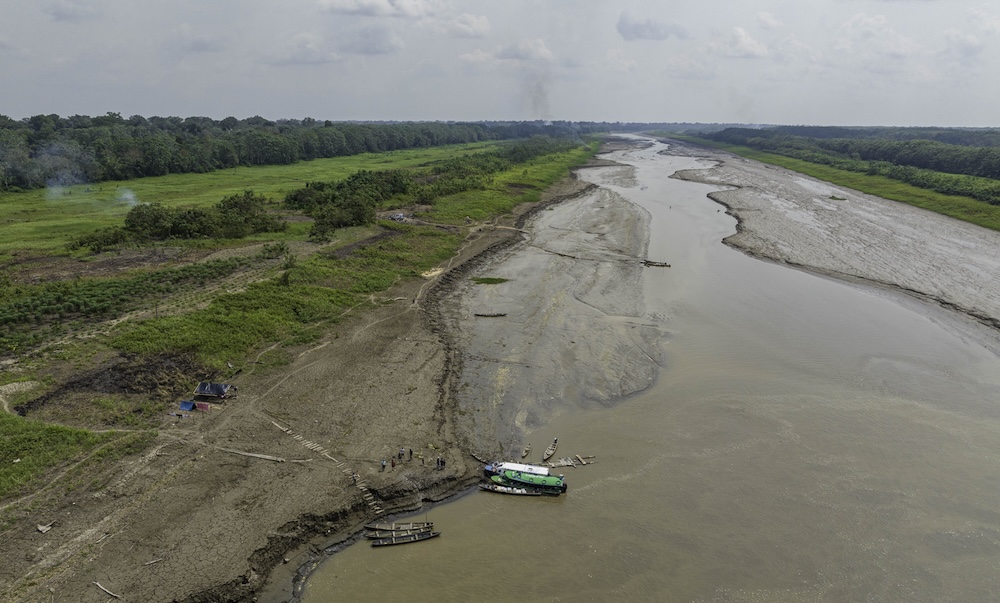
In 2023, July–September rainfall across the nine Amazonian countries reached a four-decade low. In Brazil alone, the Amazon biome lost over 8 million acres (3.3 million hectares) of surface water in 2023—an area 25 times the size of Los Angeles. Meanwhile, the Amazon River—the world’s largest by volume, flowing through Peru, Colombia, and Brazil—saw its worst decline in water levels in over a century. The impacts were widespread: in Brazil, the state of Amazonas declared a state of emergency in 95% of its municipalities, affecting more than half a million people.
Research increasingly shows that human-caused climate change is the main driver of drought in the Amazon, making extreme weather events up to 30 times more likely. While the natural climate phenomenon El Niño has historically been associated with reduced rainfall and drought in the Amazon, scientists find that in recent years, rising temperatures linked to global warming have intensified its impacts—making droughts longer, more frequent, and more severe.
The Amazon now receives less rainfall during the dry season (July to October) than in the past. At the same time, hotter temperatures accelerate evaporation from soils and vegetation, reducing moisture across the basin.
Over the past 40 years, the Amazon has warmed at an average rate of 0.27 °C per decade, with some central and southeastern regions heating up as much as 0.6 °C per decade. In many of these areas, the average dry-season temperature is now more than 2 °C higher than it was 40 years ago. If current trends continue, the temperature in parts of the rainforest could rise by more than 4 °C by 2050.
These changes are already altering the region’s seasonal patterns. The southern Amazon’s dry season, once three to four months long, now lasts four to five weeks longer and brings 20% less rainfall than it did 45 years ago. Experts warn that if the dry season extends to six months, vast areas of the forest could cross an irreversible threshold and begin to self-degrade within decades.
The Amazon rainforest generates much of its own rainfall through a process known as evapotranspiration, in which trees release moisture into the atmosphere. As deforestation increases and forests are cleared, this natural water cycle weakens. As a result, rainfall declines, the regional climate is altered, and drought becomes more likely.
Deforestation also contributes to rising temperatures. Parts of the eastern and southeastern Amazon—where forest loss is most extensive—have warmed faster than healthier regions in the western Amazon.
Drought and deforestation reinforce each other in a vicious cycle. As drought hampers river transport, pressure is growing to open new roads and pave existing ones, like the highly contested BR‑319, which cuts through Brazil’s Amazon. But roads make it easier to access these forested areas and accelerate deforestation. As more forest is cleared, less moisture from trees is released into the atmosphere. This reduces rainfall and leads to hotter, drier conditions, which in turn increase the risk of fire, causing even more forest loss.
In 2023, satellite monitoring detected more than 5,000 km of illegal side roads branching off BR‑319, intensifying the degradation of the surrounding rainforest.
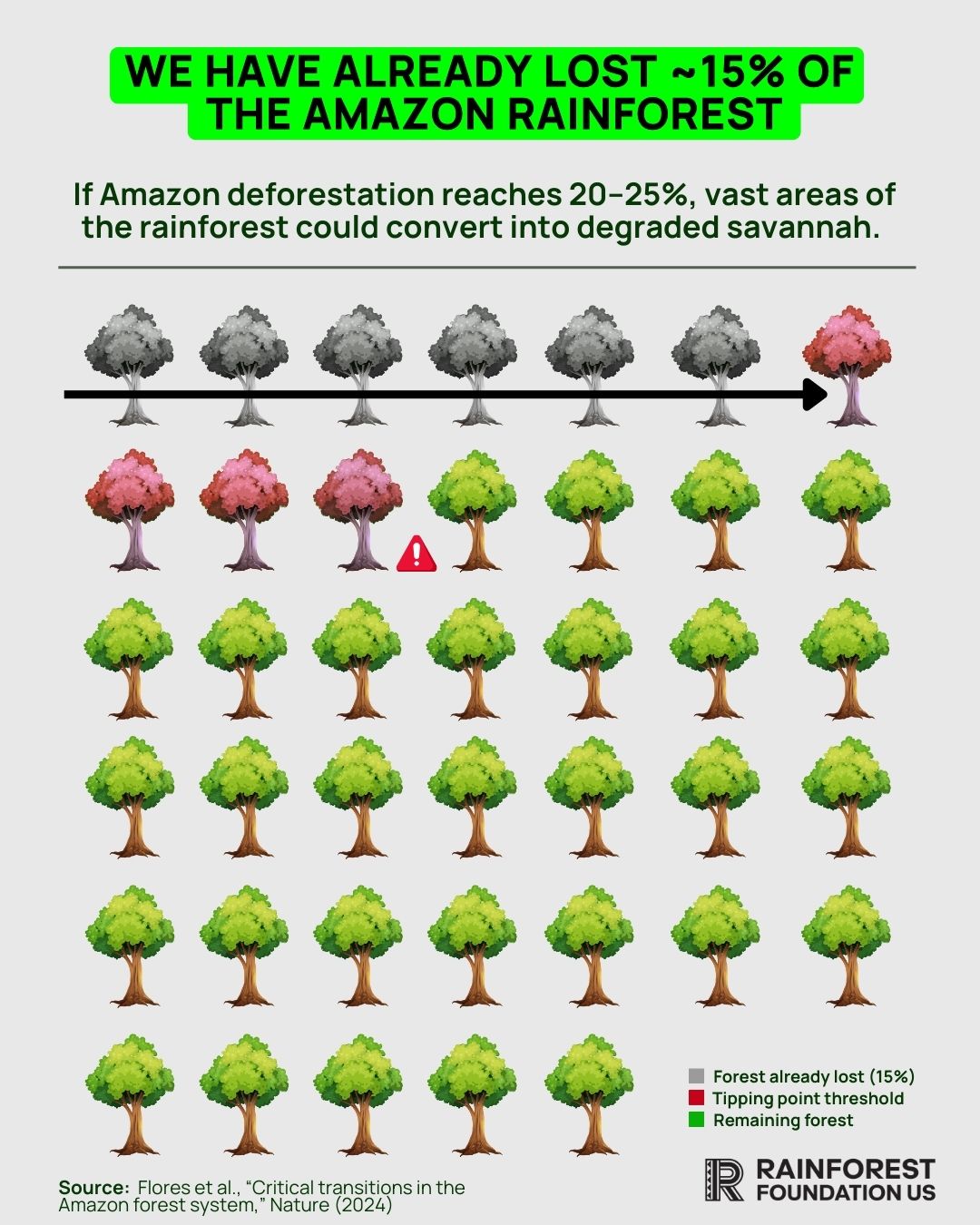
Moisture from trees in the Amazon form “flying rivers” that carry 200,000 m³ of water vapor per second across South America, feeding rainfall for crops as far away as Argentina. Losing the Amazon rainforest would cut rainfall by 40% in these regions, devastating agriculture across the continent and accelerating climate instability. Scientists warn that if deforestation reaches 20–25%, or if global temperatures climb beyond 2 °C above preindustrial levels, vast areas of the rainforest could convert into degraded savannah.
Christine Halvorson
Program Director, Rainforest Foundation US
Jhuliana Sebastian Gomez
Forest patroller and first woman leader of the San Francisco de Yahuma community, Peru
Rivers run dry: During extreme droughts, major rivers across the Amazon often reach record lows. In October 2023, the Rio Negro, the Amazon’s largest left-bank tributary, hit its lowest level since records began over a century ago, isolating thousands of people. Locals reported illnesses linked to drinking stagnant water. Entire riverside communities, including Indigenous people that rely on fishing and river transport, were left without access to food, medical care, or clean water.
Rivers as lifelines: In the Brazilian Amazon, over 60% of towns and villages are closer to major water bodies than to roads, underscoring their reliance on rivers as primary access routes. When waterways run dry:
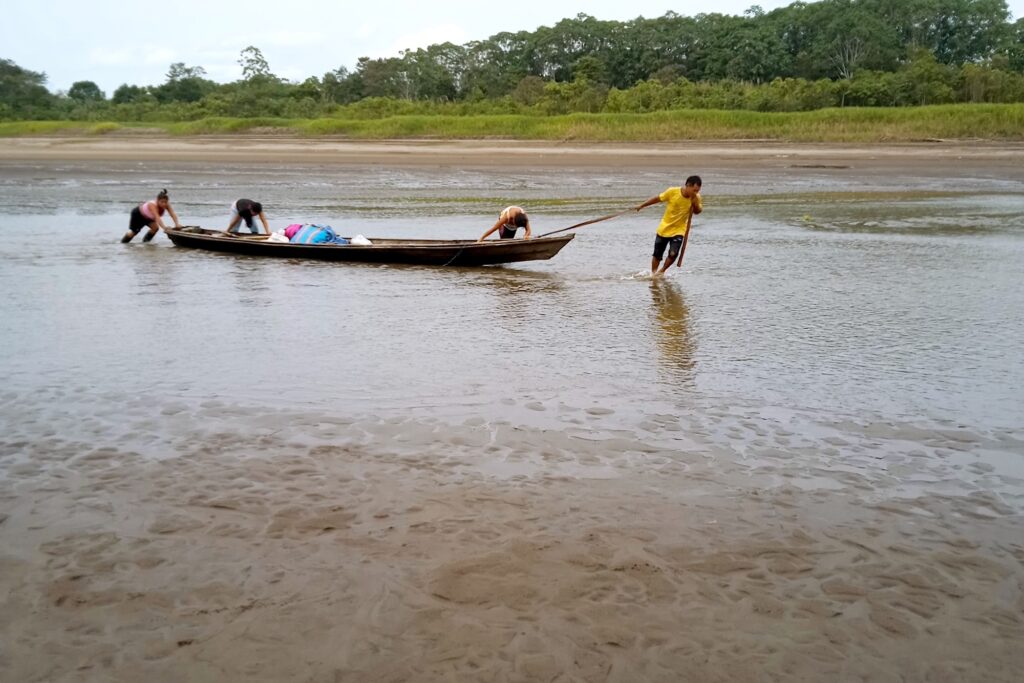
Wildlife die-offs: Extreme heat and low water levels can lead to mass die-offs of aquatic species. In both 2023 and 2024, overheated waters in Brazil’s Lake Tefé caused the death of over 200 endangered river dolphins and thousands of fish.
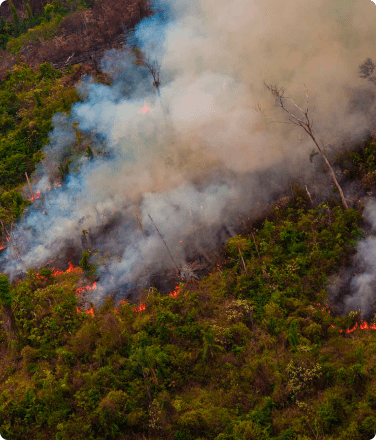
Forest fires increase: As forests dry out and pastures degrade, agricultural burns are increasingly escaping control—fueling record-breaking fire outbreaks across the Amazon. While some parts of the basin have a history of wildfires, most do not. Communities now facing fires for the first time are often unprepared for the dangers they bring.
Carbon sinks become carbon sources: Scientists warn that prolonged drought is pushing the Amazon past a critical threshold—transforming it from one of the world’s largest net carbon sinks into a carbon source. As stored carbon is released, it accelerates global climate change.
Indigenous peoples and remote rural communities are bearing the brunt of these impacts, as their livelihoods depend largely on small-scale agriculture and rivers.
Francisco Hernández Cayetano
President of FECOTYBA (Federation of Ticuna and Yahuas Communities of Bajo Amazonas)
Research shows that both climate change and local deforestation are driving extreme drought in the Amazon basin. Addressing this crisis requires action at both global and local levels. Reducing greenhouse gas emissions worldwide is essential, and stopping deforestation on the ground is equally critical.
Indigenous peoples, as long-standing inhabitants and guardians of the forest, play a crucial role in its resilience. They collectively hold and protect nearly one-third of rainforests in the Amazon, and securing their land rights is essential to maintaining the region’s natural water cycle. Studies show that forests inside Indigenous territories have far lower deforestation rates and less fires than surrounding areas, thereby preserving dense canopy cover that recycles vast amounts of water vapor back into the atmosphere through evapotranspiration. This process stabilizes local and regional rainfall patterns and buffers the forest against extended dry seasons.
Legal recognition of Indigenous land alone is not enough; sustained oversight and support to monitor and protect those lands are also essential. When Indigenous peoples have secure control over their territories, they protect their communities and sustain the forests and water systems that keep the Amazon alive.
Cameron Ellis
Field Science Director, Rainforest Foundation US
Rainforest Foundation US (RFUS) is supporting actions that make a tangible difference in preventing and mitigating droughts. Healthy forests regulate water and climate, and Indigenous lands, when legally secured and managed, maintain denser vegetation and more consistent rainfall, buffering entire regions against drought and fires. For over 35 years, RFUS has partnered with Indigenous peoples in the Amazon to secure land rights, strengthen local governance, and provide tools and training to monitor and manage their territories.
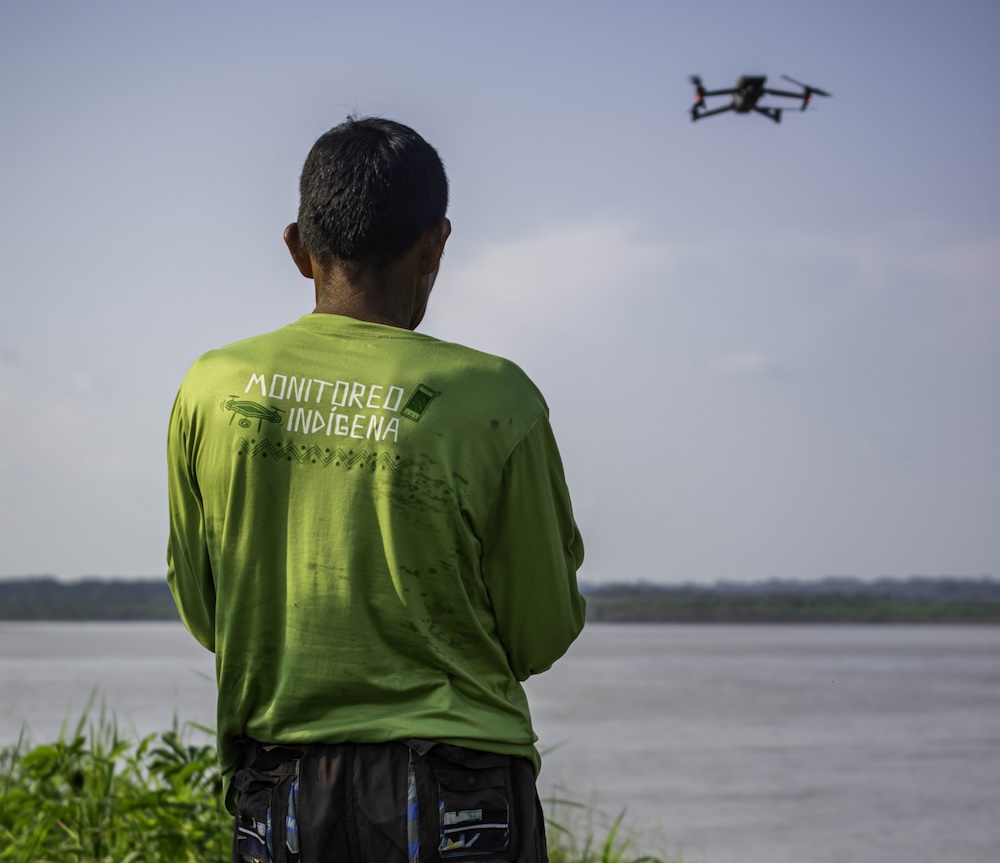
Today, those efforts are more important than ever in supporting communities to withstand the growing threat of drought.
Discover the fascinating secrets of the Amazon!
Our new Kids’ Corner is full of new games, activities, and learning materials to help kids explore the rainforest—and see how they can help protect it.