Every year on August 9 we celebrate International Day of the World’s Indigenous Peoples. On this day in 1982, the UN Working Group on Indigenous Populations held its first meeting in Geneva where they drafted the UN Declaration on the rights of Indigenous peoples, asserting their rights to self determination.
Over six decades later, many Indigenous peoples across the globe continue to fight, often at great risk, to defend their lands, cultures, and ways of life. In the international context, Indigenous peoples’ demands for land rights, direct climate finance, and recognition as rights-holders are essential and long overdue.
In honor of the International Day of the World’s Indigenous Peoples, we have put together a list of powerful books by Indigenous authors from across the globe. These works celebrate the resilience, wisdom, and rich cultural heritage of Indigenous peoples, while confronting the urgent and ongoing struggles they face. From memoirs to novels, from investigative journalism to cultural reflections, each of these books invites us to listen deeply, learn, and stand in greater solidarity with Indigenous peoples everywhere.
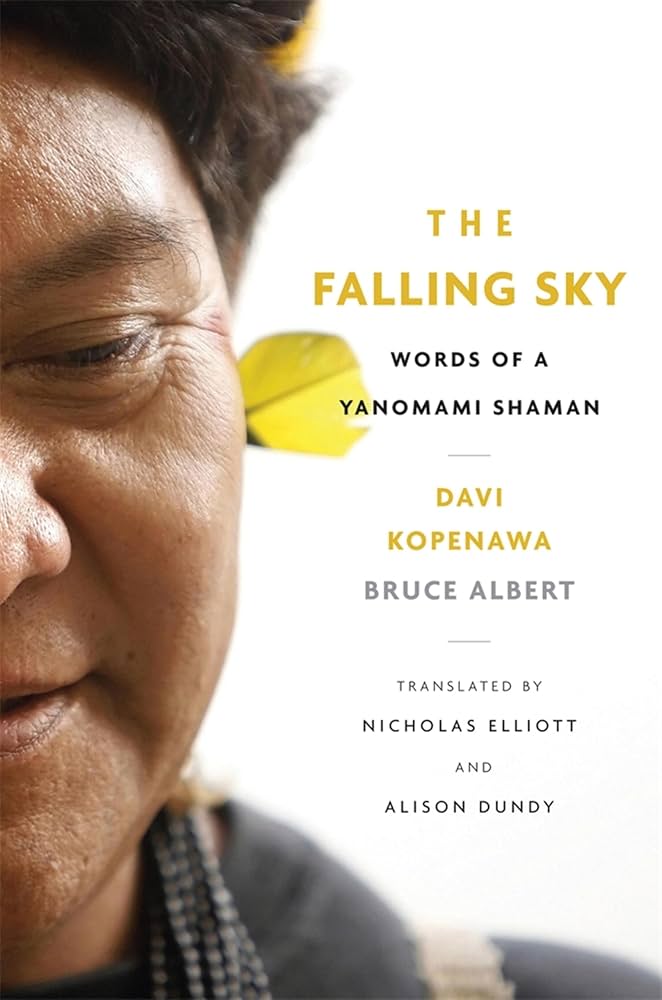
1. The Falling Sky – Davi Kopenawa and Bruce Albert
The Falling Sky is the powerful life story and philosophical testimony of Davi Kopenawa, a Yanomami shaman and tireless defender of the Amazon. Told in his own voice and co-authored with anthropologist Bruce Albert, the book weaves autobiography, cultural memory, and cosmological insight. Kopenawa recounts his shamanic journey, from childhood initiation to confronting the brutal encroachment of outsiders, including missionaries, miners, and officials. His personal and political narrative reveals the devastation brought by colonization, disease, and environmental destruction. At its core, this is a Yanomami vision of the world, a cosmology deeply attuned to the forest and its spirits. It is a call to protect the forest and its peoples. Learn more here.
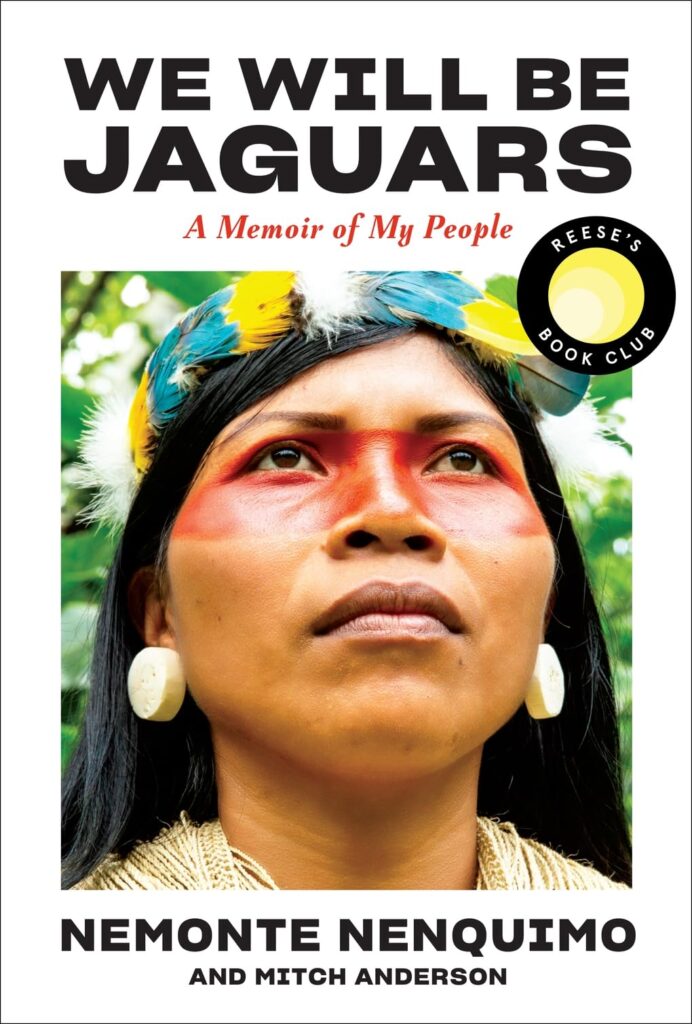
2. We Will Be Jaguars – Nemonte Nenquimo
We Will Be Jaguars traces the life of Nemonte Nenquimo — Waorani leader, activist, and co-founder of the Indigenous-led Ceibo Alliance and its partner organization, Amazon Frontlines. Raised in the Ecuadorian Amazon, Nemonte recounts her lifelong fight to defend her peoples’ ancestral lands from oil companies, missionaries, and extractive industries determined to erase Waorani culture and devastate the forest. Co-written with her partner, Mitch Anderson, this is a deeply personal story of resistance, cultural survival, and a relentless battle to protect the Amazon. Learn more here.
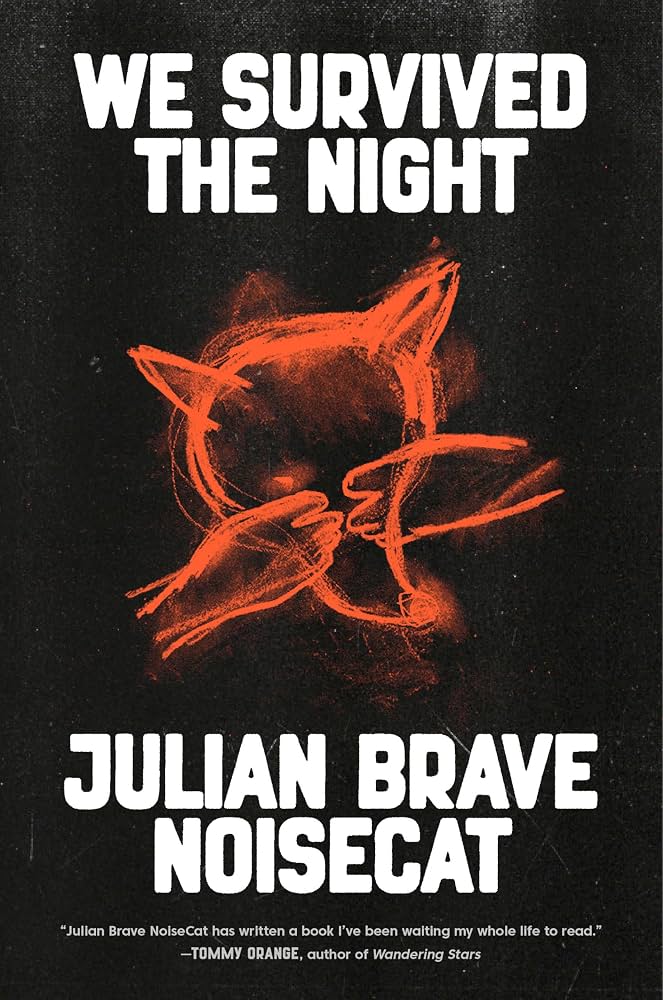
3. We Survived the Night – Julian Brave NoiseCat
Julian Brave NoiseCat’s We Survived the Night weaves oral history, journalism, and memoir into a portrait of Indigenous survival and resurgence. Raised largely in the absence of his father, a Secwépemc and St’at’imc artist, NoiseCat found community in urban Oakland and on the Canim Lake Indian Reserve, turning to Native history in search of both his father and himself. Told as a “Coyote” story, a traditional form of storytelling nearly erased by colonization, the book moves between memoir and reportage intertwining with NoiseCat’s cultural and familial reckoning. The result is both an intimate family story and a sweeping portrait of contemporary Indigenous life. Learn more here.
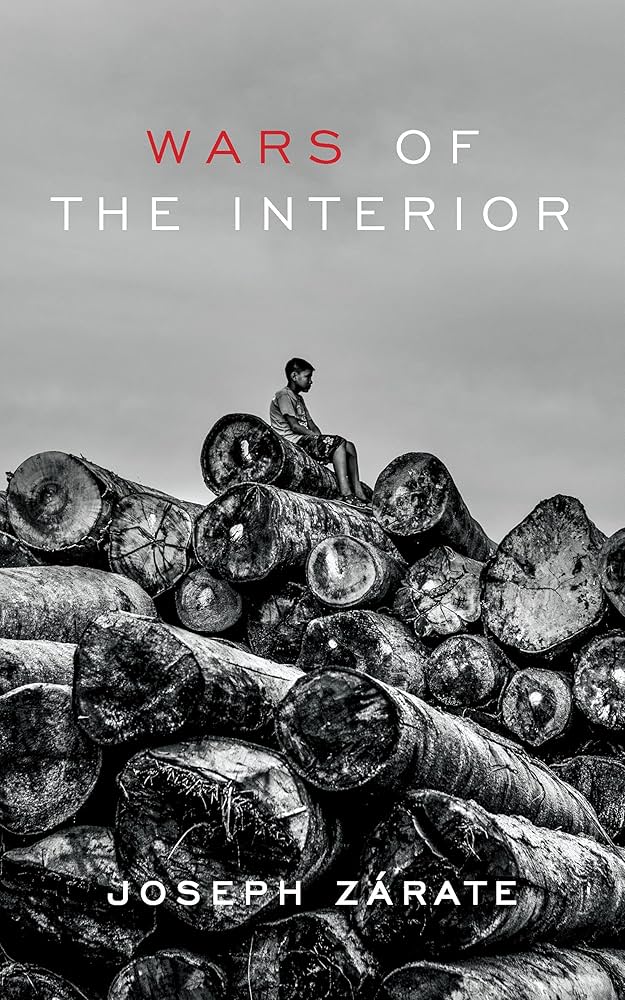
4. Wars of the Interior – Joseph Zárate
Peruvian journalist Joseph Zárate crafts three gripping investigative narratives on the extraction of gold, wood, and oil in Peru’s Amazon and Andes. His vivid reportage lays bare the violence, corruption, and environmental destruction wrought by these industries, while shining a light on the courage of Indigenous leaders, environmental defenders, and communities fighting to protect a rapidly vanishing Amazon rainforest. Learn more here.
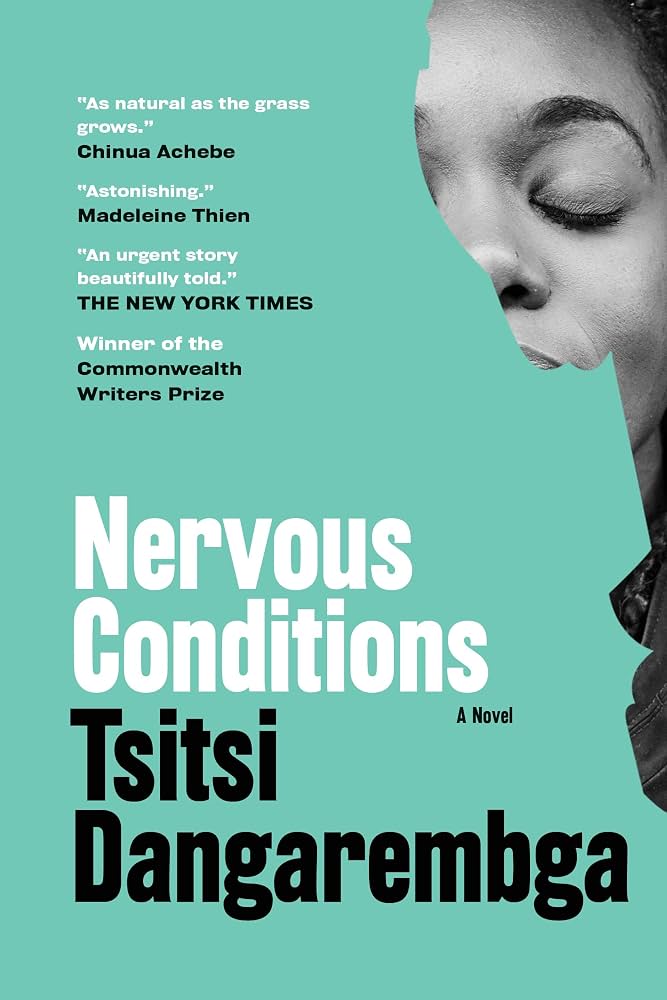
5. Nervous Conditions – Tsitsi Dangarembga
In her debut novel, Zimbabwean author Tsitsi Dangarembga tells the coming-of-age story of Tambu, a young Shona girl in 1960s Rhodesia (now Zimbabwe). In a society shaped by patriarchy and colonial rule, Tambu dreams of an education, but her family sees little value in educating a girl. Her brother’s death allows Tambu to take his place at a mission school run by her Western-educated uncle. Far from her rural community and immersed in colonial values, Tambu begins to question the promises of education and its profound impact on her identity. Nervous Conditions, the first novel in Dangarembga’s acclaimed trilogy, is regarded as a prominent work of African feminist and postcolonial literature. Learn more here.
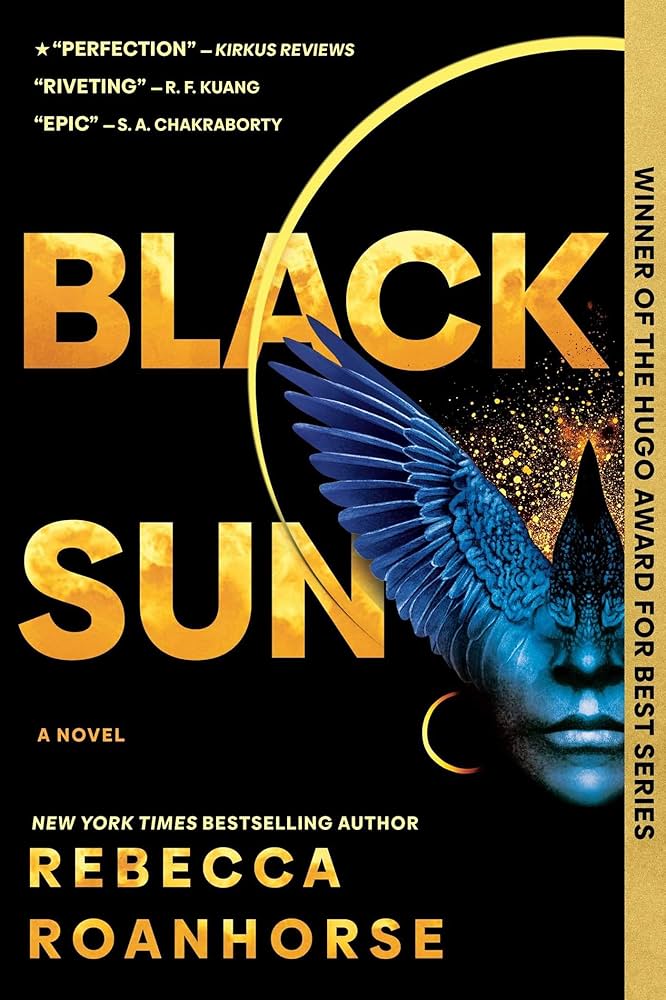
6. Between Earth and Sky – Rebecca Roanhorse
Written by Rebecca Roanhorse, a Native American author of Ohkay Owingeh and African American descent, Between Earth and Sky is an epic fantasy trilogy comprising three books: Black Sun, Fevered Star, and Mirrored Heavens. Inspired by Pre-Columbian American civilizations and Indigenous societies, and set in the fictional world known as Meridian, matriarchal clans compete for power as a god rises from the dead. Learn more here.
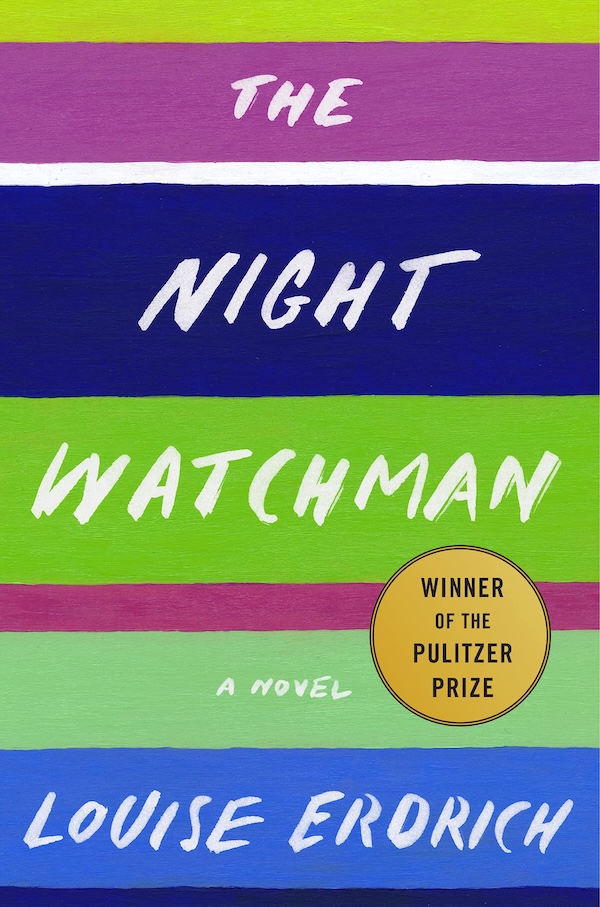
7. The Night Watchman – Louise Erdrich
Based on the extraordinary life of her grandfather, Louise Erdrich, a member of the Turtle Mountain Band of Chippewa, tells the story of Thomas Wazhashk, a tribal council member who led the fight against a 1953 US government bill aimed at terminating Native sovereignty. This so‑called “termination” bill threatened Native Americans’ rights to their lands and their very identities. From rural North Dakota to the halls of Washington, D.C., Wazhashk led the struggle against dispossession. Erdrich’s novel powerfully captures a pivotal moment in Native American history and the relentless fight for land, rights, and identity. Learn more here.
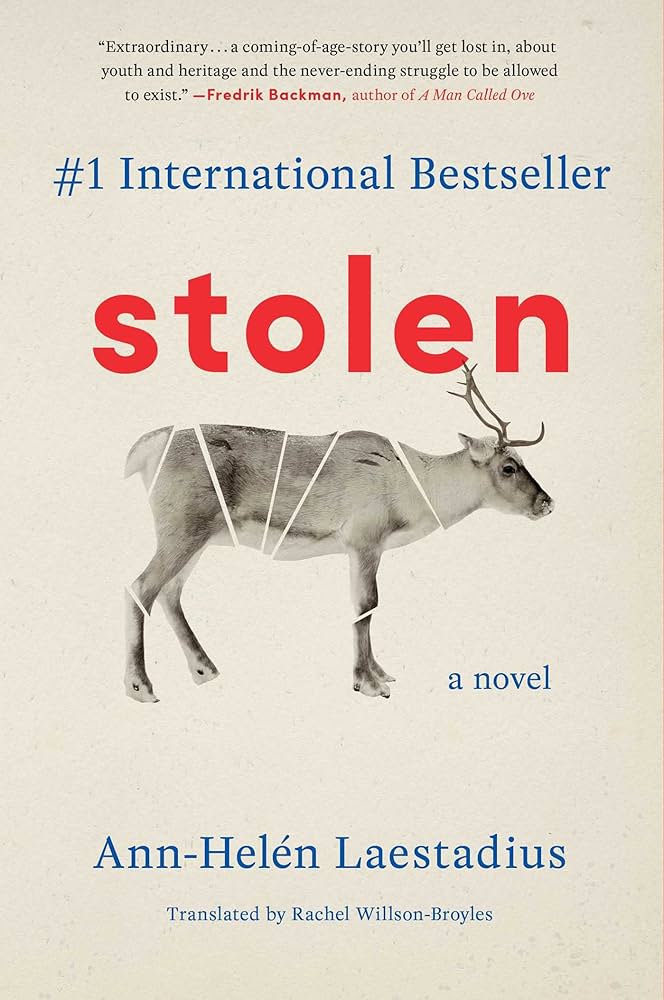
8. Stolen – Ann-Helén Laestadius
In this award‑winning novel, Sámi journalist and author Ann‑Helén Laestadius delivers a gripping coming‑of‑age story about a young Sámi woman’s fight to protect her family’s reindeer herd and culture amid racism, climate change, and legal neglect in Sweden. Inspired by real events, Stolen is a heartfelt tribute to Sámi heritage and a powerful indictment of prejudice and environmental injustice. Learn more here.
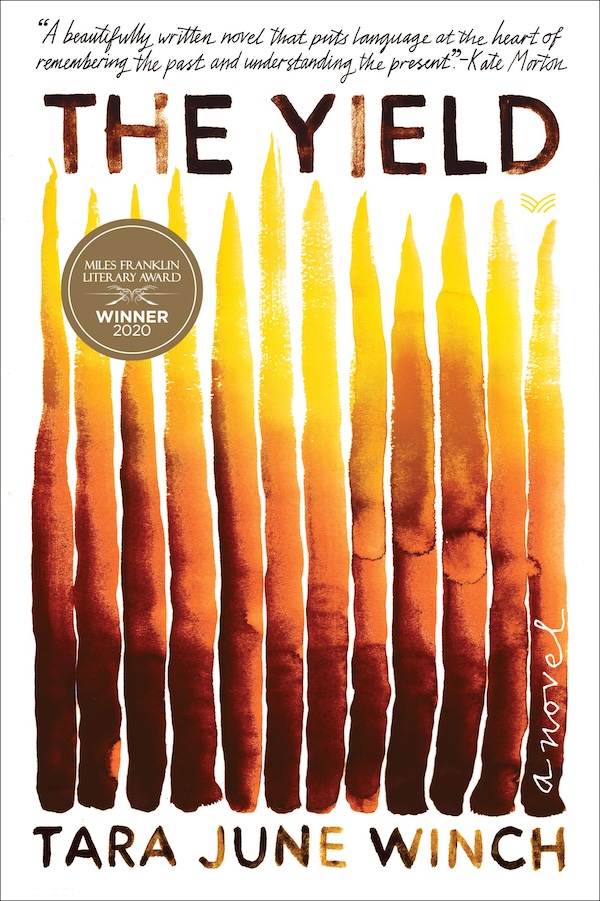
9. The Yield – Tara June Winch
Wiradjuri author Tara June Winch weaves a powerful story of language, land, and family. When August Gondiwindi returns to Australia for her grandfather’s funeral, she discovers plans for a mining company to take their land. Through her grandfather’s dictionary of Wiradjuri words and the stories he left behind, The Yield is both a reclamation of culture and language and an urgent act of resistance against Indigenous dispossession. Learn more here.
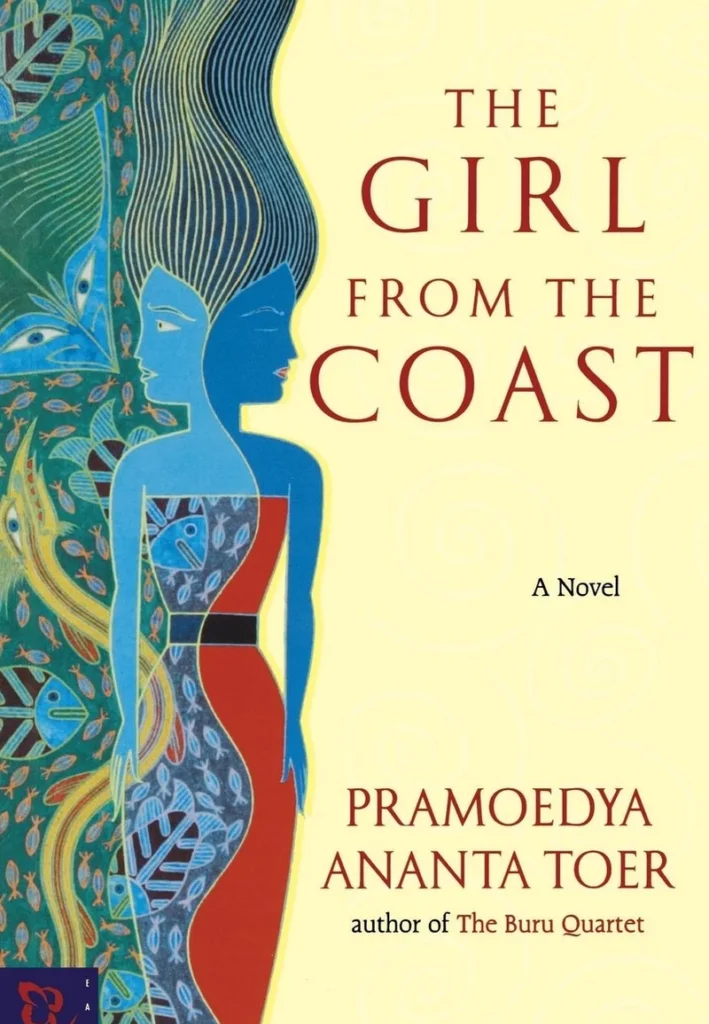
10. The Girl from the Coast – Pramoedya Ananta Toer
The Girl from the Coast tells the story of an unnamed young girl in a coastal fishing village in Java, Indonesia during the Dutch colonial period. At the age of fourteen, after an arranged marriage to a local nobleman, or bendoro, she must leave everything behind to start her new life. The story follows the protagonist and her servant, Mbok, spotlighting their contrasting experiences as they navigate life under colonial rule and the protagonist struggles with her identity and autonomy. Learn more here.
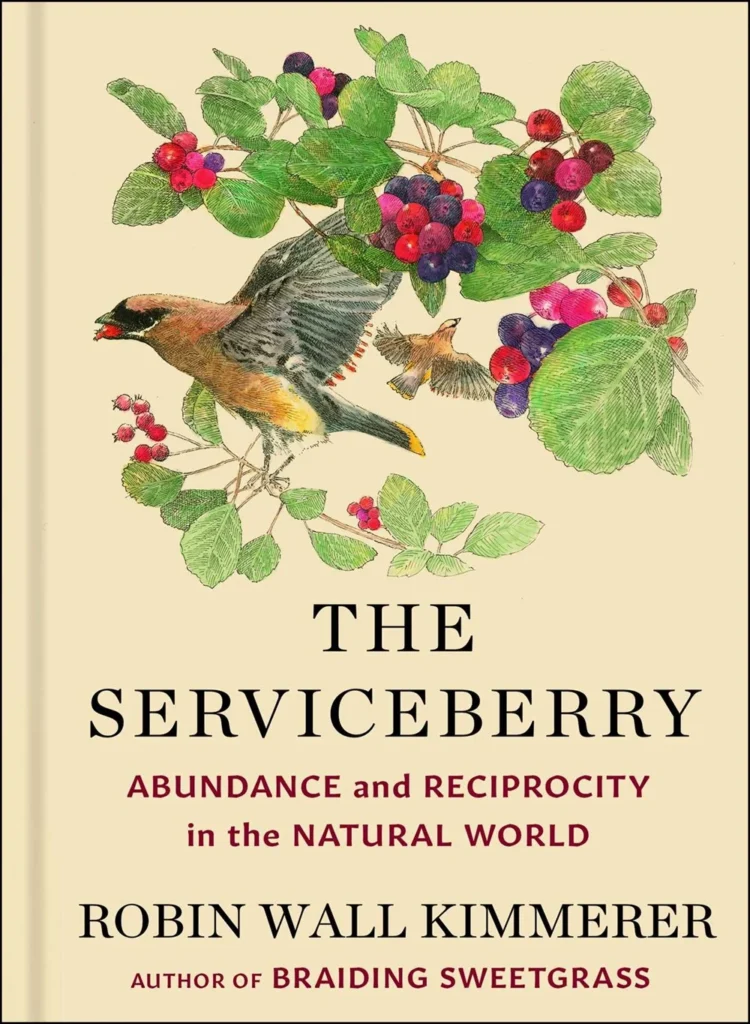
11. The Serviceberry: Abundance and Reciprocity in the Natural World – Robin Wall Kimmerer
Through the process of harvesting serviceberries, Potawatomi Nation member and botanist Robin Wall Kimmerer considers the ethic of reciprocity that lies at the heart of the gift economy. In an economy rooted in scarcity, competition, and the hoarding of resources, can we learn from Indigenous wisdom and the plant world to reimagine what we value most? The serviceberry’s relationship with the natural world is an embodiment of interconnectedness and gratitude. The tree distributes its wealth — its abundance of sweet, juicy berries — to meet the needs of its natural community and ensure its own survival. Learn more here.
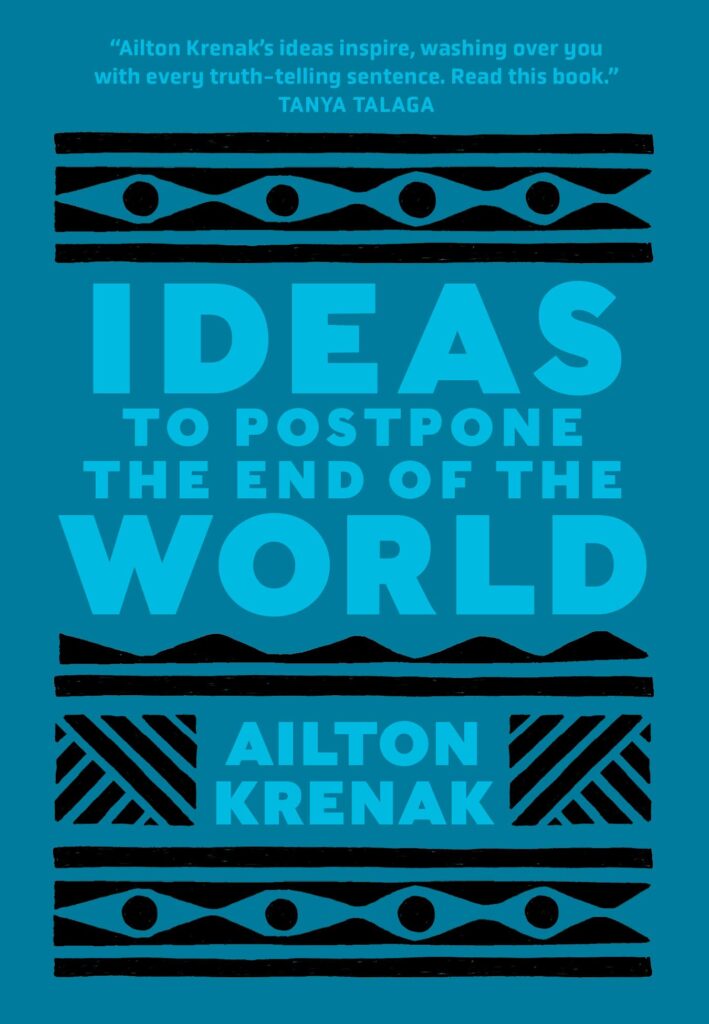
12. Ideas to Postpone the End of the World – Ailton Krenak
Ailton Krenak, an Indigenous philosopher from Brazil’s Doce River Valley, a place devastated by mining, invites us to radically rethink our place in the world. He challenges the illusion that humanity is separate from nature, urging us to recognize rivers, forests, and all living beings as our kin. Against the backdrop of the Anthropocene, Krenak sees Indigenous wisdom not as a relic of the past, but as a guide for a livable future. He calls on us to honor differences, restore joy, and reclaim the meaning of life through song, dance, and storytelling. Krenak reminds us that to postpone the end of the world, we must keep imagining new beginnings. Learn more here.
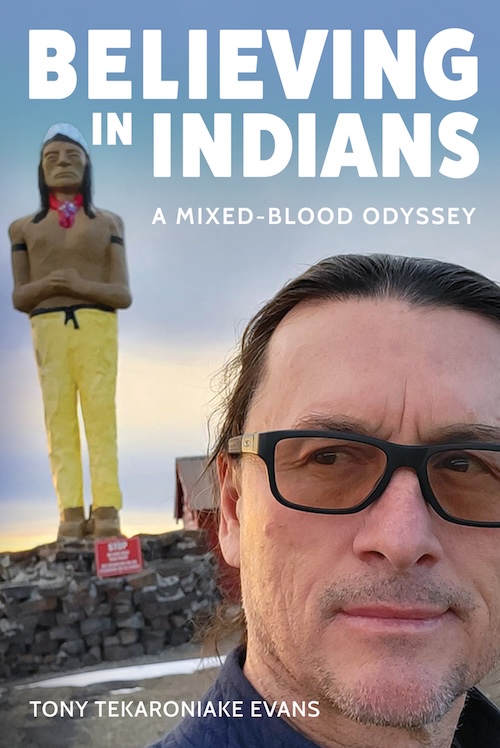
13. Believing in Indians, A Mixed-Blood Odyssey – Tony Tekaroniake Evans
Coming of age during an era of assimilation and cultural erasure, Tony Tekaroniake Evans was told by his third-grade teacher that Indians no longer exist. How could this be, when his grandmother spoke Mohawk in the house? Thus begins a witty, poignant, and deeply personal journey to reclaim his Indigenous identity. Along the way, he realizes there are no easy answers — only the growing understanding that being Indian is both a political act and a matter of faith. His memoir is a candid exploration of life between cultures and a powerful affirmation that holding onto family and heritage is, in itself, an act of resistance. Learn more here.
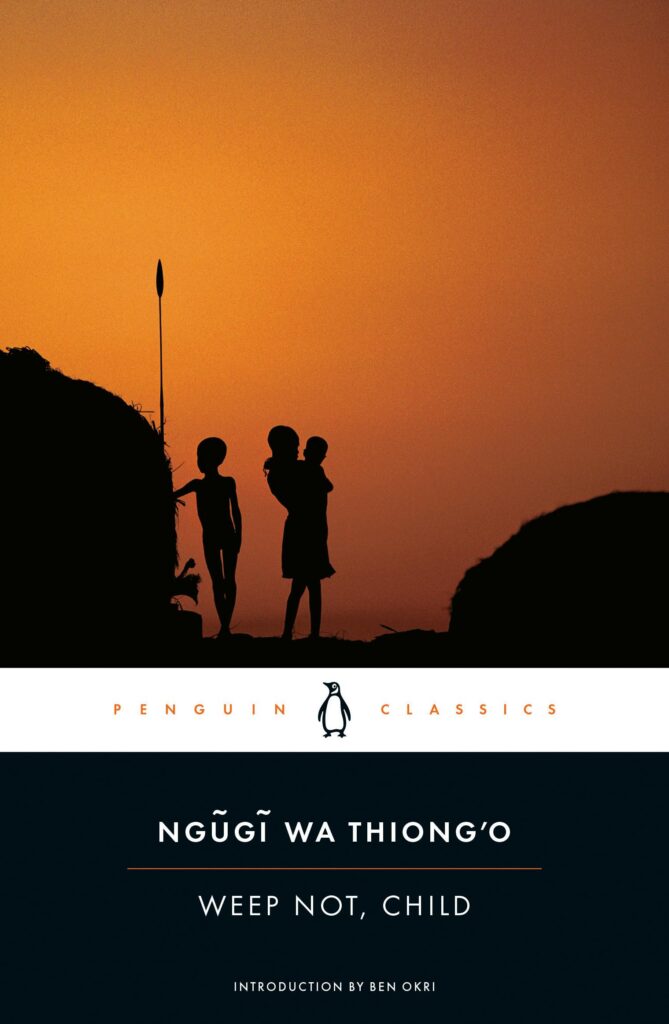
14. Weep Not, Child – Ngũgĩ wa Thiong’o’
Kenyan author Ngũgĩ wa Thiong’o’ paints a picture of life during the Mau Mau uprising in 1950s Kenya, focusing on the story of Njoroge, a young boy who has big plans to attend school and pursue a brighter future. While the Mau Mau is fighting a war against the white British colonial government, Njoroge and his family must navigate the deadly violence and devastation of colonial rule. Highlighting the impacts the Mau Mau uprising had on ordinary people in Kenya and the diversity and complexities of their experiences and perspectives, Weep Not, Child provides a window into the harsh reality of living in the midst of colonial and political struggles. Learn more here.
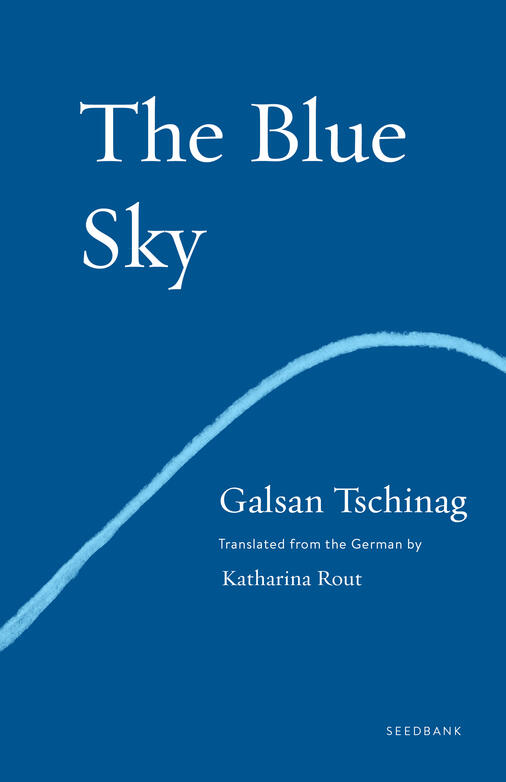
15. The Blue Sky – Galsan Tschinag
In the remote Altai Mountains of northern Mongolia, a young nomadic Tuvan shepherd of Turkic heritage, Dshurukawaa, sees his traditional way of life being slowly encroached upon by modernization. What begins as a simple life, slow moving and by the seasons, becomes one marked by heartbreak: first when Dshurukawaa’s siblings move away, second when his grandmother passes, and third, most poignantly, when he loses his beloved companion. For answers on love and loss, Dshurukawaa looks to the deity in the skies above. Grounded in Tuvan oral storytelling and epic tradition, Galsan Tschinag’s saga braids together a coming-of-age story with the broader account of a culture slipping away. Learn more here.
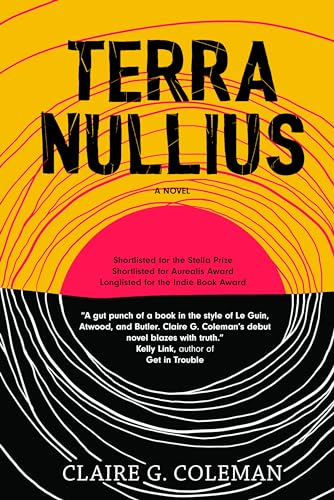
16. Terra Nullius – Claire G. Coleman
Written by Claire G. Coleman, a South Coast Noongar woman from Western Australia, Terra Nullius is a speculative fiction following Jacky, a boy on the run as the “Settlers” increasingly encroach on the Colony in an attempt to “civilize” Native society. As troopers pursue him across a harsh, drought-stricken land, Coleman pulls readers into the inner workings of dispossession and empire, transforming the real history of Indigenous Australia into a story that feels both eerily familiar and startlingly new. Learn more here.
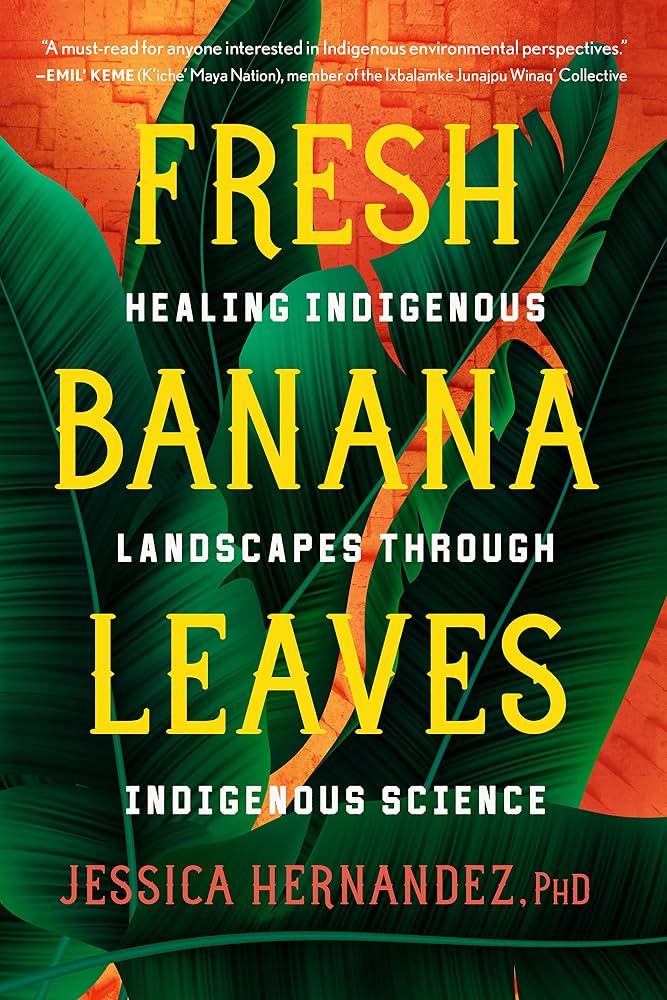
17. Fresh Banana Leaves: Healing Indigenous Landscapes Through Indigenous Science – Jessica Hernandez
In Fresh Banana Leaves, Maya Ch’orti’ and Zapotec environmental scientist Jessica Hernandez argues that western conservationism has failed, and that Indigenous knowledge systems, sidelined for centuries by racism and colonialism, offer a better path forward. Drawing on case studies, family history, and the voices of Indigenous Latin American women and land protectors, Hernandez makes the case for land stewardship rooted in healing and reciprocity rather than extraction, calling for an end to eco-colonialism and advocating for a restored, respectful relationship with the Earth. Learn more here.
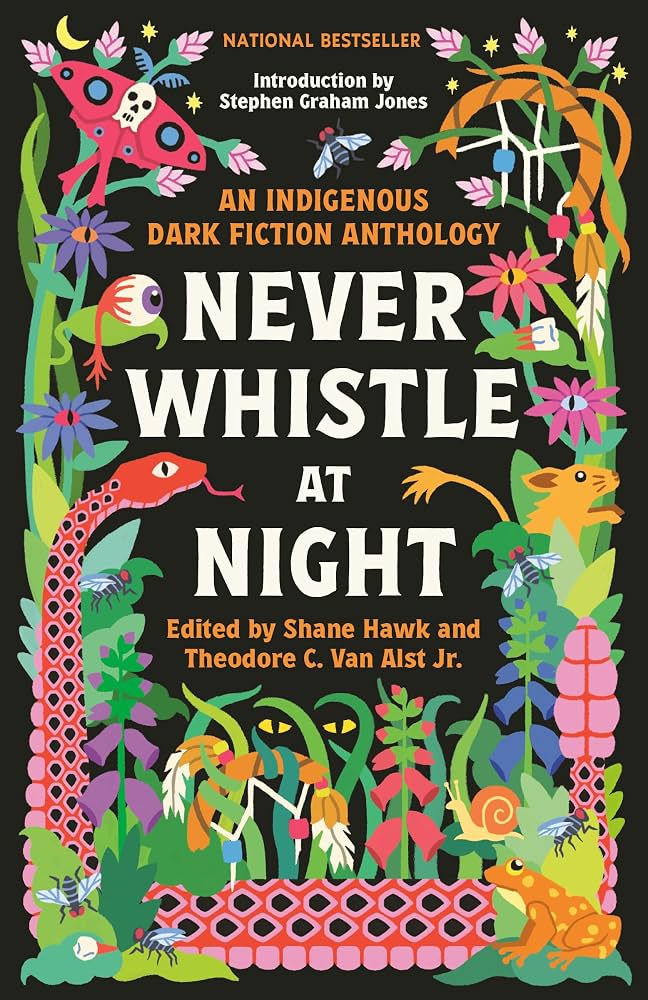
18. Never Whistle At Night: An Indigenous Dark Fiction Anthology
Across many Indigenous cultures, there is a widespread belief that whistling at night can summon evil spirits. In Hawaii, it’s the Hukai’po — the spirits of ancient warriors. In Mexico, it’s Lechuza, a witch that can transform into an owl. From ghosts, curses, hauntings, monstrous creatures, complex family legacies, desperate deeds, and chilling acts of revenge, they can haunt your dreams or even follow you home. Never Whistle At Night is a bold, unsettling, anthology that brings many of these tales to life, while serving as a cautionary tale to any who dare whistle past sundown. Learn more here.
Reading books by Indigenous authors is an invitation to unsettle what we think we know. These stories challenge us to face our shared history, and to imagine what might be possible outside the container of colonial logic.
Since 1988, Rainforest Foundation US has partnered with Indigenous peoples to protect their rights and their rainforests in the Amazon and Central America. Learn more about Indigenous-led rainforest protection and keep up with the latest developments in our work by signing up for our email list today.