- Indigenous women in Guyana’s North Pakaraimas are organizing through the Patamasan Protectors of I’na Pata (PPIP) to strengthen leadership and increase women’s representation in decision-making.
- PPIP provides a platform for women to address gender-based issues and develop solutions in their communities.
- Rainforest Foundation US’s new Gender and Social Inclusion Strategy contributes to efforts like these by supporting inclusive leadership and strengthening Indigenous-led institutions.
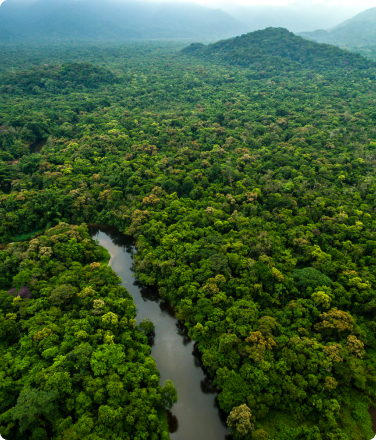
Starting her day before sunrise, Surujani Robinson prepares eggs, homemade bread, and milo tea for breakfast for her daughter, age 5, and gets her ready to go to school. They wrap up at home, climb onto an ATV, and drive on uneven dirt roads past a loose array of homes and small shops. Kato Village is a small but lively community stretched across a grassy savannah, nestled between pockets of thick tropical rainforest high in the North Pakaraimas mountain range. With about 530 residents, Kato is smaller and quieter than the village she grew up in. Paramakatoi, the largest village in the region with some 3,000 residents, is more densely packed, with a central air strip and constant construction. Surujani still makes frequent trips there to visit her extended family.
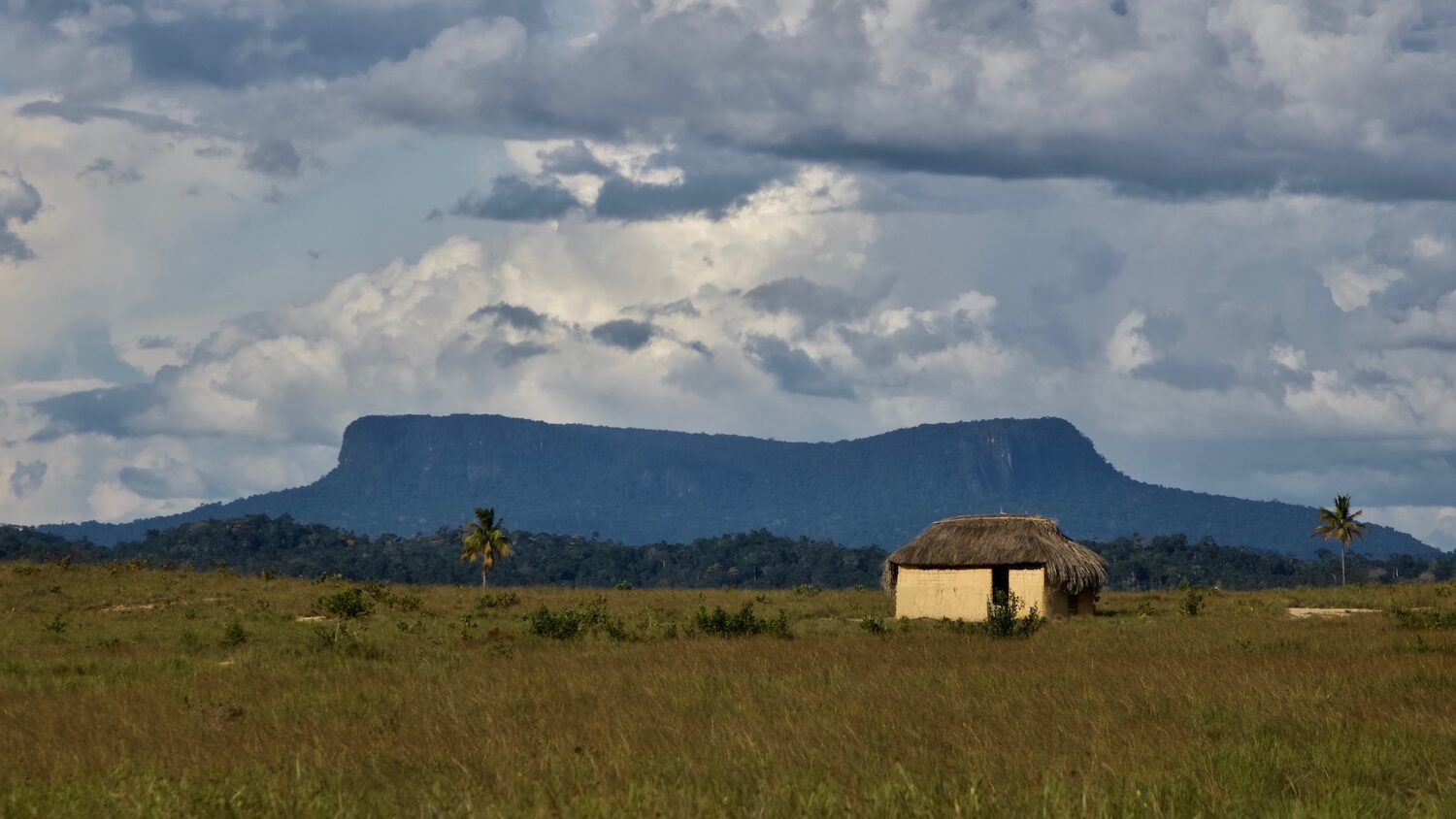
From the primary school, she drives away from the village center, down a winding road of bright red mud scattered with semi-precious jasper rocks, toward Kako Patasek Eco Lodge. In 2024, she and her husband opened the lodge, which she now manages. As she prepares several cabins for upcoming guests, her one-year-old daughter on her hip, her phone beeps. It’s another staff member of the Patamasan Protectors of I’na Pata, the women’s organization that she is involved with, asking for information about their upcoming cultural preservation project. She sets her daughter down, and watches her waddle around the lodge as she discusses plans for documenting traditional stories and songs in the Patamona language.
Later in the day, Surujani carves out time to focus on her studies. She’s two years into a four-year online bachelor’s degree in business administration. Between cooking dinner for her girls and putting them to bed, she logs into the student portal and works on her assignments. Despite her busy schedule, ensuring the women in her community are supported remains a priority. She is committed to resolving gender-based issues in the region, which means building consensus and representation to ensure women’s agendas are factored into local and regional plans for governance and overall development.
The Launch of a Women’s Movement in the North Pakaraimas
Growing up in Paramakatoi, Surujani recalled how women in her community, despite having central roles in family life as well as village life, lacked safe spaces to meet to share their concerns, troubleshoot issues, and look for solutions. While working as a social studies and public health teacher in her early 20s, she was recruited by the Ministry of Amerindian Affairs to serve as a community welfare officer. In that position, she traveled from village to village, hearing about a range of issues. She felt that many of the specific issues concerning women were not being addressed in the way they should be. To begin with, communities consistently lacked services and spaces for women to discuss these concerns. Moreover, the issues that were getting addressed, she noted, were a result of small disparate groups of women coming together to find their own solutions.
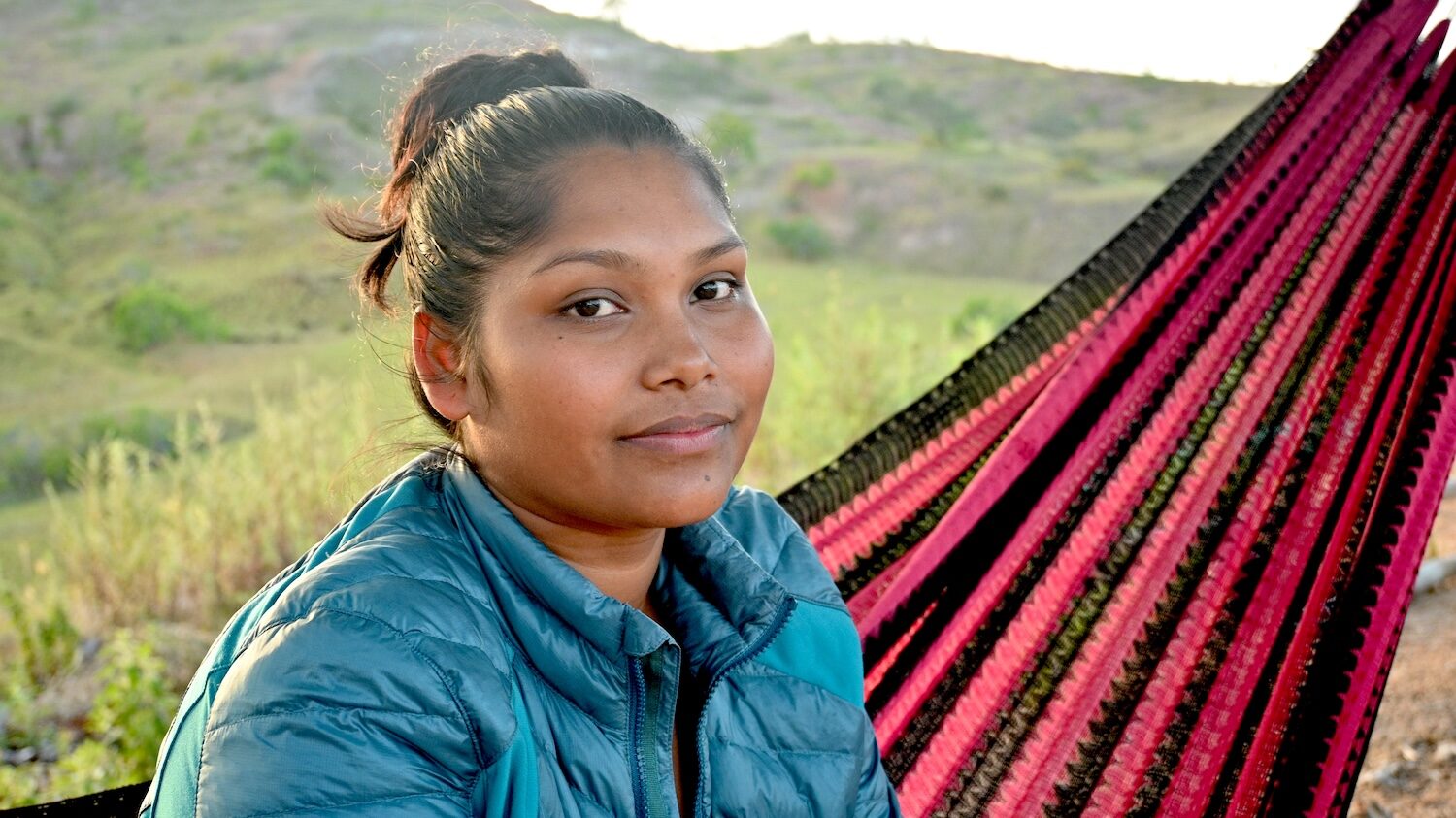
“What if we could come together as women, find solutions to these issues on our own, work together, and be there for each other?” Surujani recalls wondering. She came back home determined to do something about it on a larger scale.
In 2023, she organized a conference for women across the North Pakaraimas region where, for the first time, women collectively gathered to discuss Indigenous rights in international and national law. The conference catalyzed the formation, that same year, of the Patamasan Protectors of I’na Pata (or PPIP), which now acts as a vital resource to Indigenous women and girls, providing workshops that empower women, advocate for their representation in leadership, promote gender equality, and reduce gender-based violence. Surujani has served as its chairperson since its inception, along with five other women serving in executive and staff roles.
Rainforest Foundation US (RFUS) has been supporting PPIP’s development since its founding, walking alongside its leaders as they built PPIP into an independent, community-led organization. Since then, RFUS has accompanied PPIP’s growth and provided support in areas such as annual planning and fundraising. A major milestone came in August 2024, when PPIP received official recognition as a Guyanese community organization, allowing it direct access and management of funding for women’s programs. For Surujani and other women in North Pakaraimas, advancing Indigenous women’s rights has never been the work of individuals alone. It requires institutions like PPIP that are firmly rooted in the community, and can carry the work forward for the long haul.
Advancing Gender and Social Inclusion at Rainforest Foundation US
For over 35 years of working with rainforest communities, RFUS has witnessed how the relationship of different members of a community—men, women, elders, youth, and others—are distinct and complementary in the stewardship of the natural environment. Each group, rooted in cultural tradition, holds differentiated knowledge, customs, and practices around nature as well as unique responsibilities for the transmission of spiritual and ecological knowledge.
Yet, these groups also experience unequal rights, decision-making power, and impacts from external pressures, all of which need to be addressed to avoid harm and risks to community-driven initiatives. The success of any rainforest protection and climate work cannot be separated from issues of gender and social inclusion.
Today, on International Women’s Day, we are proud to announce the launch of our Gender and Social Inclusion Strategy, which will support partners in identifying and addressing gender and social inclusion gaps through co-created and partner-led processes.
The strategy outlines actions to strengthen understanding of gender issues within RFUS. This internal learning helps the organization better advise and support partners. From there, we will guide partners who choose to assess social inclusion within their organizations through participatory processes, helping them identify challenges, gaps, and opportunities in their local context. Based on those assessments, partners can develop strategies and plans to strengthen the role, voice, and leadership of women in land and community governance and advocacy.
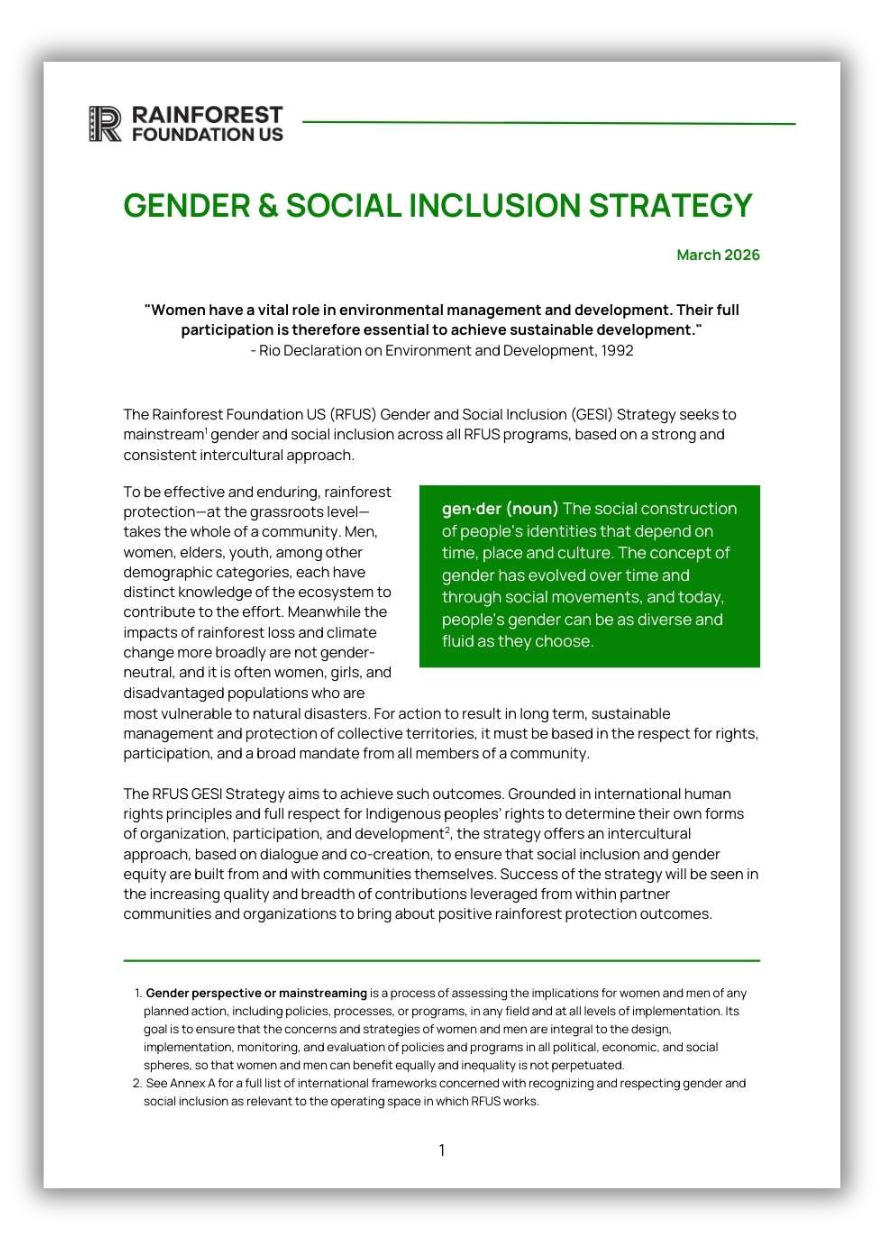

Gender and social inclusion work is not new or foreign to our programs. Indeed, RFUS has long engaged in various efforts to recognize and uplift women’s participation in our partnerships, whether through facilitating gender affirming actions in our Rainforest Alert program or supporting Indigenous women’s voices to be heard in Brasilia. Yet, the strategy reflects a growing commitment in the organization to ensure gender considerations are embedded as core and cross-cutting across all program areas.
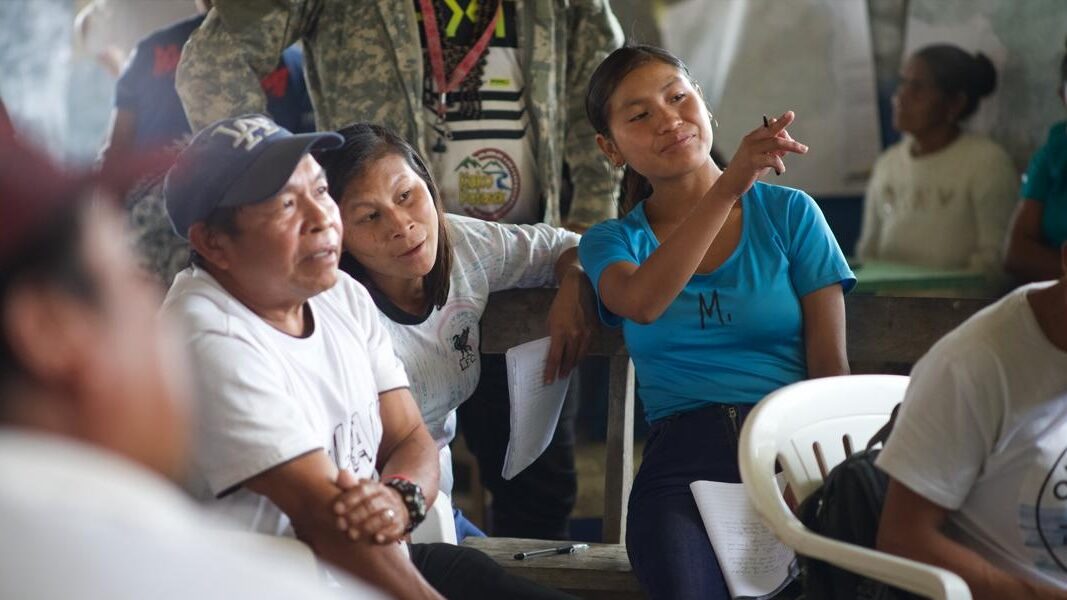
Building Collective Leadership in the North Pakaraimas
The last women’s conference Surujani organized took place in Paramakatoi in November of 2025. She and the other organizers brought together 85 women from the majority of the villages in the North Pakaraimas, including elected leaders, health workers, teachers, nurses, and others.
They provided briefings and hosted discussions around national policies like the Juvenile Justice Act and the Domestic Violence Act, as well as gender-based violence and child welfare. A new initiative that emerged from those discussions focused on establishing a community reporting system to facilitate feedback with relevant authorities and enable confidential reporting.
Since the PPIP’s founding three years ago, many more women have become outspoken in their communities. “There were women who were afraid to speak up. Now, we don’t really have that issue, because they feel supported when I’m there for them, and they’re there for me. We’re there for each other,” says Surujani.
If we have more women leaders in these communities, I believe that we would be able to make a better change for our future generations, for our girls, for our boys, even.
– Surujani Robinson, Chairperson for the Patamasan Protectors of I’na Pata (PPIP)
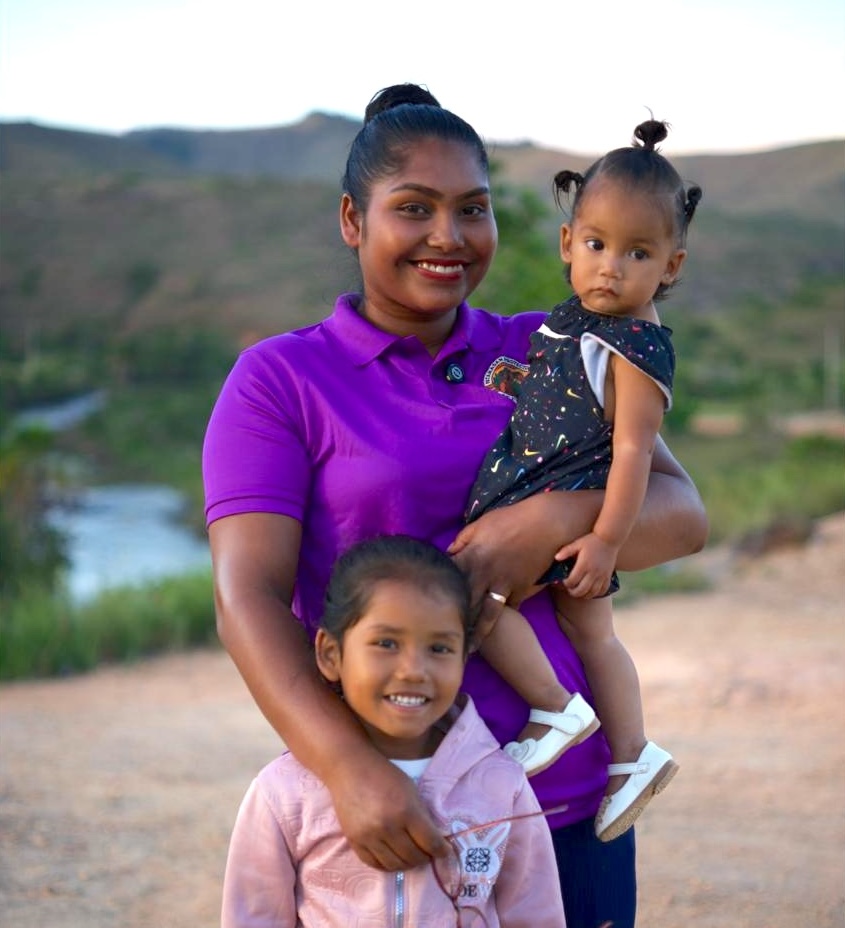
She is driven by her own two girls, and sees her work contributing to the prosperity of coming generations. “My goal is to make it easier for the women—our young girls, the babies who are growing up—who are going to be our future leaders of tomorrow.”