A Landmark Victory: 20 Indigenous Communities in Peruvian Amazon Secure Land Titles
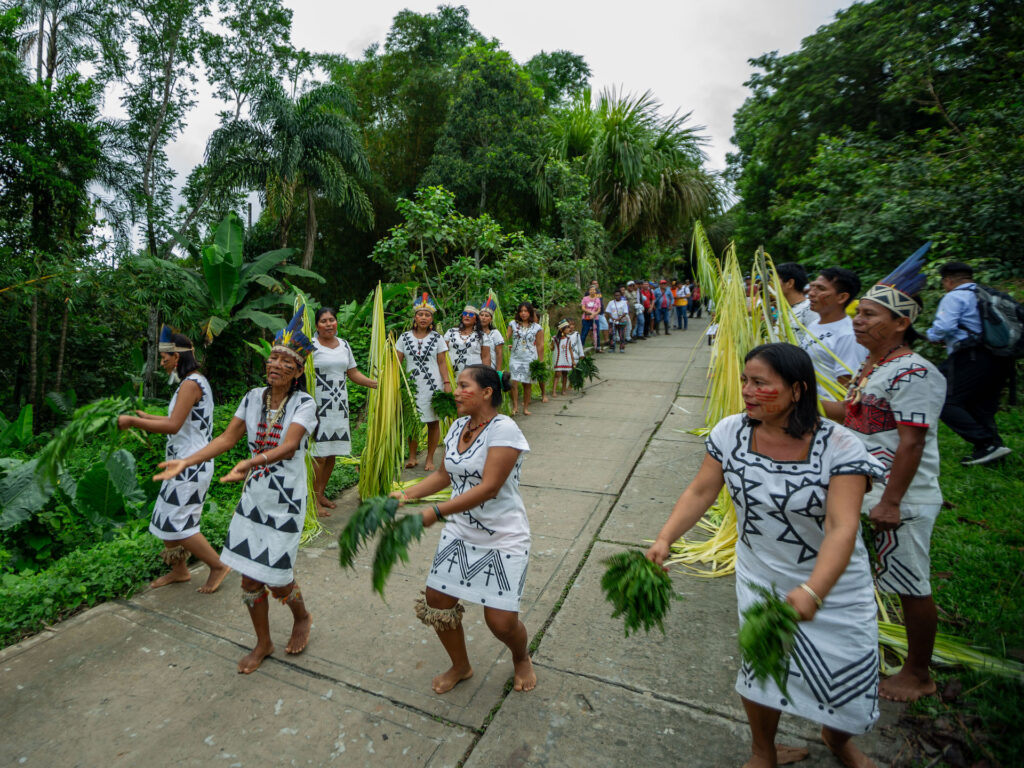
RFUS celebrates a major victory as 20 Indigenous communities in the Peruvian Amazon received land titles. Land titles are the most effective way to reduce deforestation in Indigenous peoples’ territory, resulting in a 66% reduction in forest cover loss.
Deforestation in Brazil’s Amazonian Indigenous lands decreased by 42%, reaching a six-year low
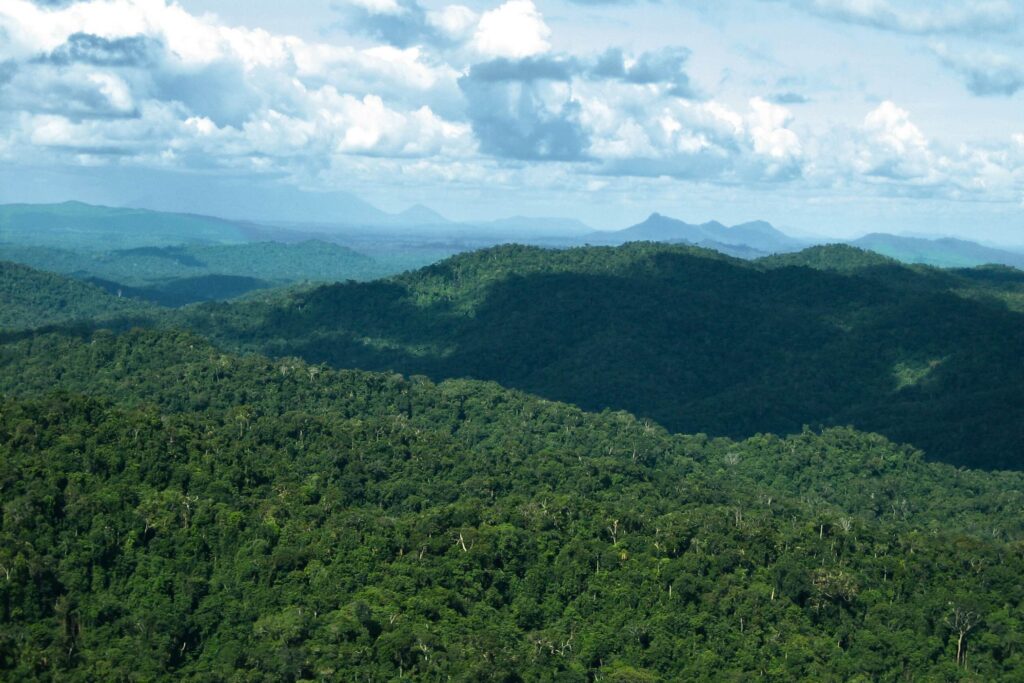
Indigenous peoples’ lands in the Amazon experienced a 42% decrease in deforestation between August 2023 and March 2024, according to a report by the Brazilian organization Amazon Institute of People and the Environment (Imazon). This is the lowest amount of destruction recorded within these territories since 2018.
Mesoamerican Community Leaders Point the Way Toward a High-Integrity Carbon Market
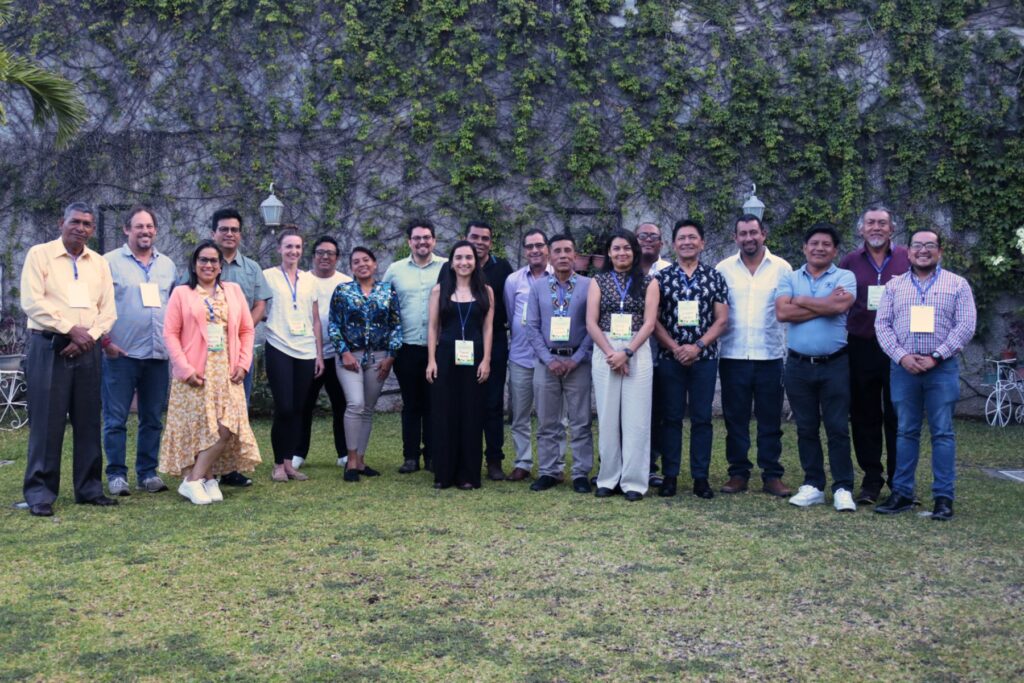
The Mesoamerican Alliance of Peoples and Forests (AMPB), in collaboration with Rainforest Foundation US and Fundación PRISMA, convened in El Salvador to shape a united vision for strengthening the integrity of carbon markets in the region.
Indigenous organizations are building strong foundations to secure their rights and territories
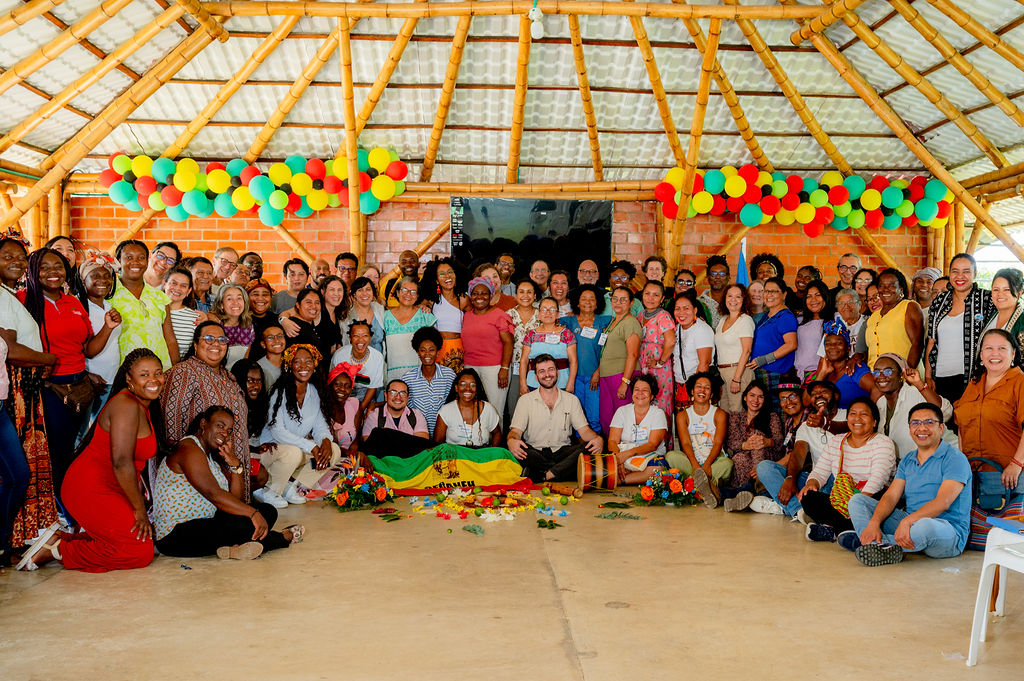
In a world where the voices of Indigenous, Afro-descendant, and traditional communities are often sidelined, it’s imperative to create spaces that prioritize these perspectives to foster meaningful shifts within the funding ecosystem. In February 2024, Entre Povos—an initiative whose purpose is to strengthen institutions and advance its member organizations’ rights to good lives—organized a gathering in Colombia to promote dialogue, exchange, and learning among these communities.
Breaking Barriers, Building Futures: Indigenous Women Take the Lead in the Peruvian Amazon
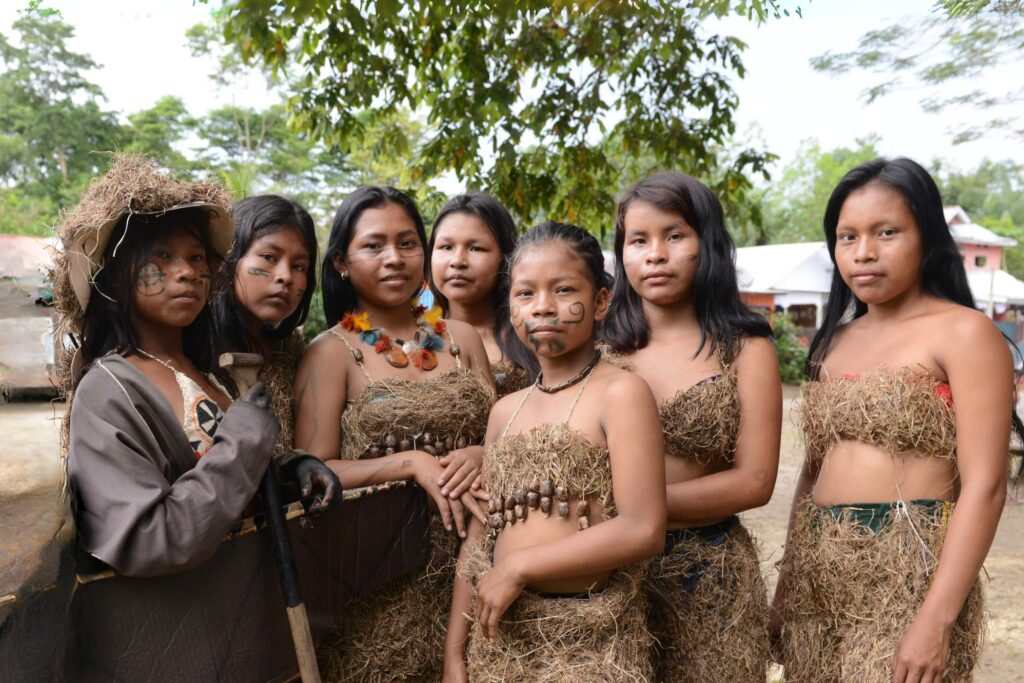
Indigenous women in Ucayali and Loreto province, Peru, are shattering gender barriers and reshaping traditions. Despite enduring historical exclusion from leadership roles, they are now rewriting this narrative.
Discover how the Affirmative Measures Project, led by the Rainforest Foundation US team in Peru, is bridging the gap for women to actively participate and lead.
Challenges and Pathways for Equitable Carbon Markets: Insights from Guyana’s Experience

The certification of carbon credits in Guyana under a program designed without the participation and free, prior, and informed consent of Indigenous peoples is a troubling precedent that threatens the rights of Indigenous peoples and the social integrity of carbon markets everywhere. Learn more about the issues in a new case study.
Scientific Evidence Points to Indigenous Peoples’ Forest Management as Key to Climate Change Mitigation
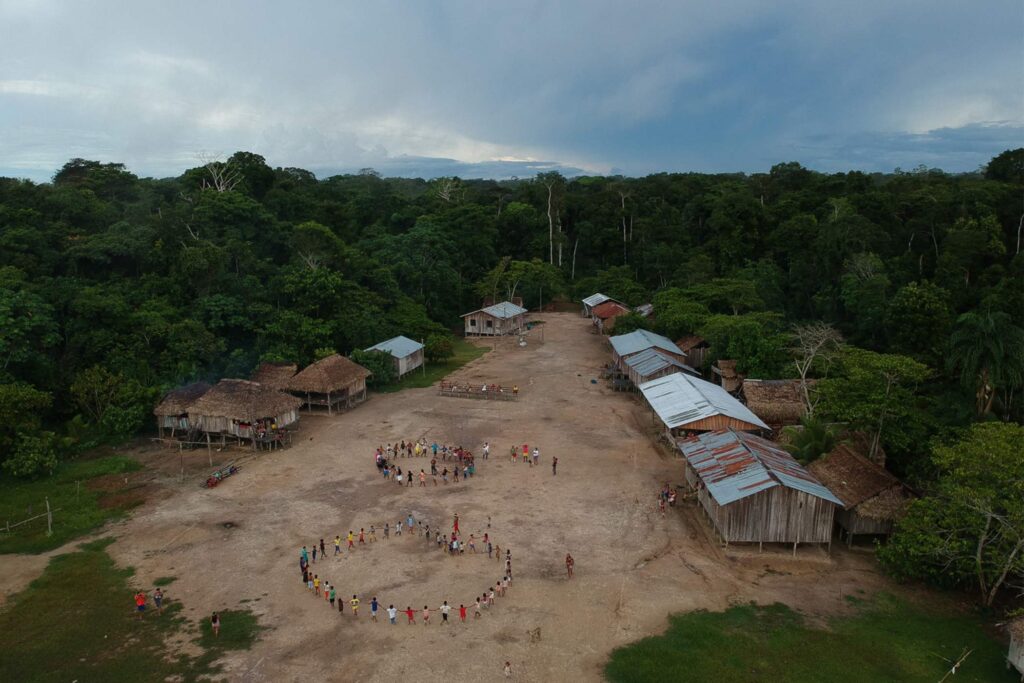
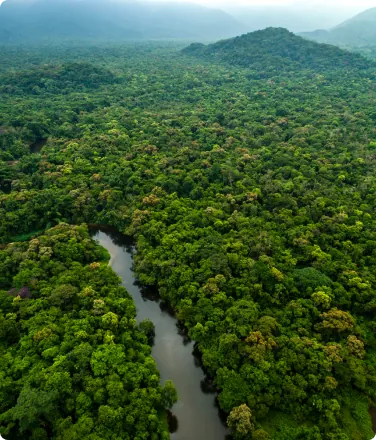
Indigenous peoples have shaped and managed vast rainforest territories for millennia. These rainforests regulate rainfall, store carbon, and shelter immense biodiversity and sociocultural diversity. In recent years, several studies have provided statistical evidence confirming that lands legally titled to Indigenous peoples are the most efficient models for forest protection.
Brazil Amazon Fires: 26 Million Acres Scorched in 2023, Up 35.4% from Previous Year

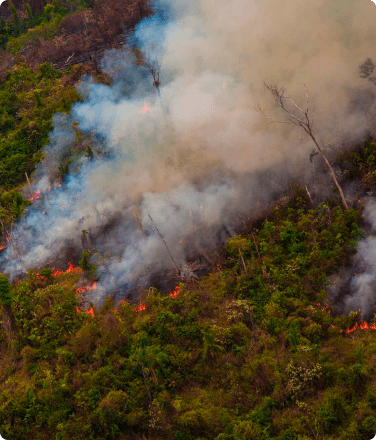
A staggering 26.4 million acres of Brazil’s Amazon were scorched in 2023, a 35.4% increase from the previous year. Deforestation from agriculture and cattle-ranching is a main driver of forest fires in the Amazon.
RFUS and the Indigenous Council of Roraima Unite to Strengthen Community Governance in Brazil’s Northern Amazon
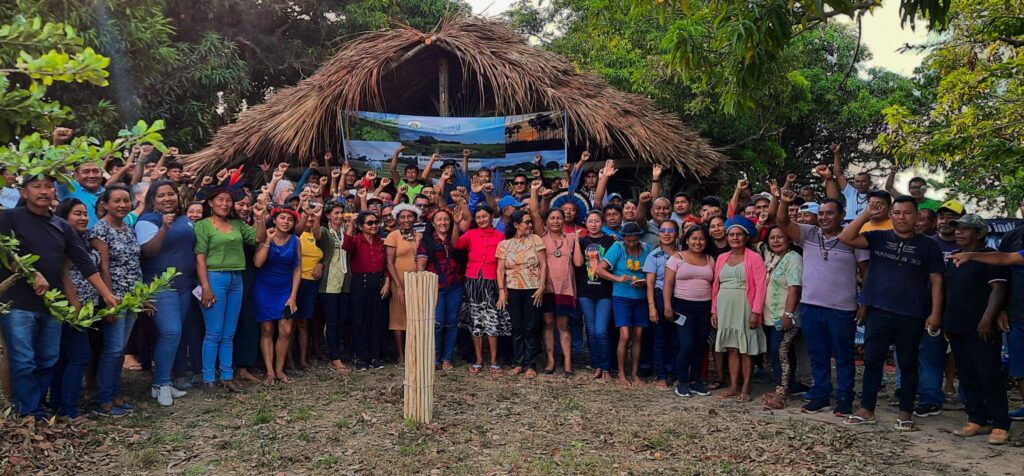
Rainforest Foundation US held a joint workshop in partnership with the Roraima Indigenous Council (CIR) focused on integrating CIR’s diverse departments, and promoting strengthened governance and collaboration. RFUS and CIR’s partnership spans 20 years, demonstrating a deep commitment to Indigenous sovereignty and forest protection.
COP28: Indigenous peoples should take center stage, and supporting their communities is key to effectively mitigating climate change
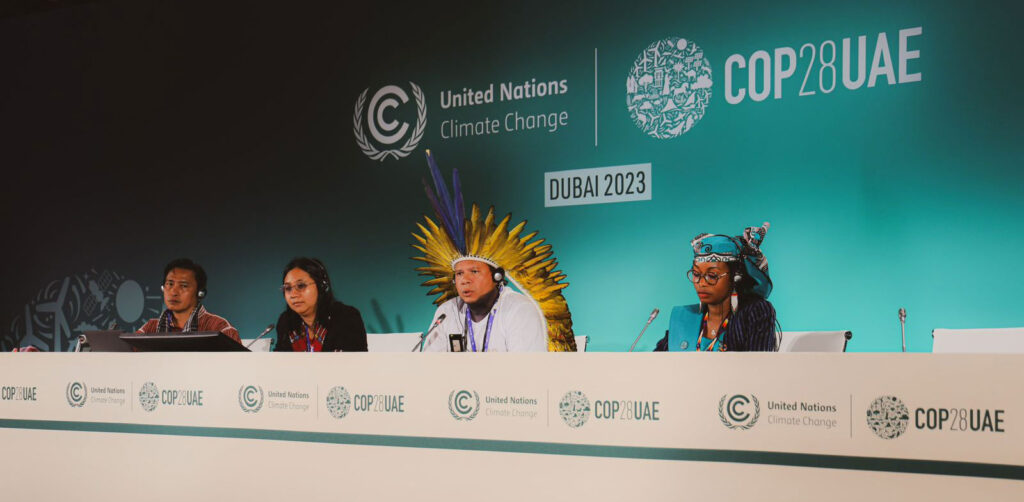
Rainforest Foundation US (RFUS) will participate in COP28, supporting Indigenous leaders from the Global Alliance of Territorial Communities (GATC), an organization that unites Indigenous peoples and local community (IP and LC) organizations from 24 countries in the Amazon Basin, Mesoamérica, the Congo Basin, and Indonesia, among other national and regional partners.