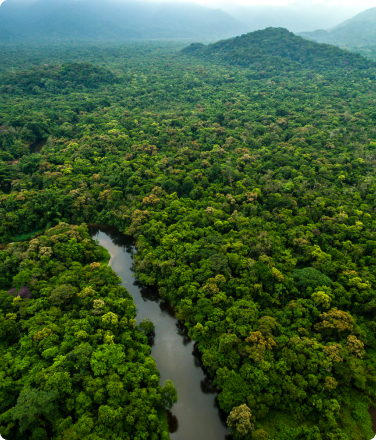
- Three years after Brazil declared a health emergency in the Yanomami Indigenous territory in Roraima, illegal mining has declined, but structural challenges remain.
- Yanomami and Ye’kwana leaders recognize progress but warn that malaria prevention, education, and legal accountability remain urgent priorities.
- Rainforest Foundation US (RFUS) is expanding its support for community forest monitoring, legal advocacy, and Indigenous governance in the region in 2026.
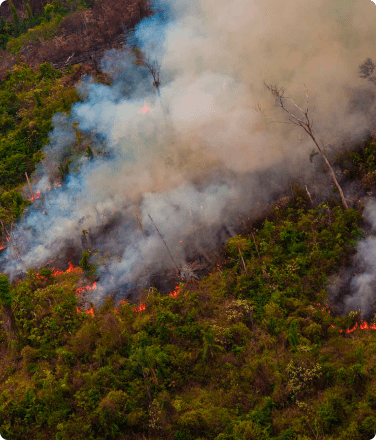
In early 2023, shortly after taking office, Brazil’s president Luiz Inácio Lula da Silva declared a public health emergency in Yanomami territory, the largest Indigenous territory in the country. Years of illegal mining, environmental destruction, and institutional neglect under the previous administration of Jair Bolsonaro had culminated in a devastating humanitarian crisis. Images of malnourished Yanomami children and hundreds of deaths from preventable illnesses drew international attention.
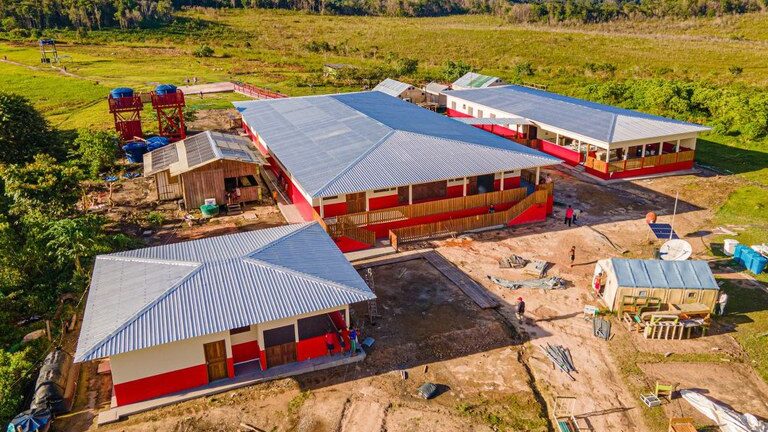
The federal government quickly launched an interministerial task force, deployed nearly 2,000 health professionals, allocated roughly one billion reais (approximately US$194 million) for emergency health and food assistance, and reopened abandoned medical posts. Large-scale enforcement operations were also initiated to dismantle illegal mining infrastructure: thousands of miners were forcibly removed, equipment and clandestine airstrips were destroyed, and fuel and supply routes were disrupted.
Despite this massive effort, in 2024, illegal mining persisted, malaria remained widespread, and many communities lacked consistent access to health care and the resources to protect their territories. In January 2024, Rainforest Foundation US (RFUS) shared that weak coordination among federal agencies, along with security gaps and management failures, was undermining efforts to respond to the emergency.
Three years later, important changes are visible. At the same time, Indigenous leaders continue to warn that the crisis has not been fully resolved.
Progress in Territorial Protection
Since 2024, federal authorities have expanded operations to dismantle mining camps, remove illegal miners, and restrict their return. Satellite monitoring and field operations indicate a sharp reduction in mining activity in Yanomami territory, alongside a stronger institutional presence. At the same time, Indigenous organizations have strengthened their own territorial monitoring systems1.
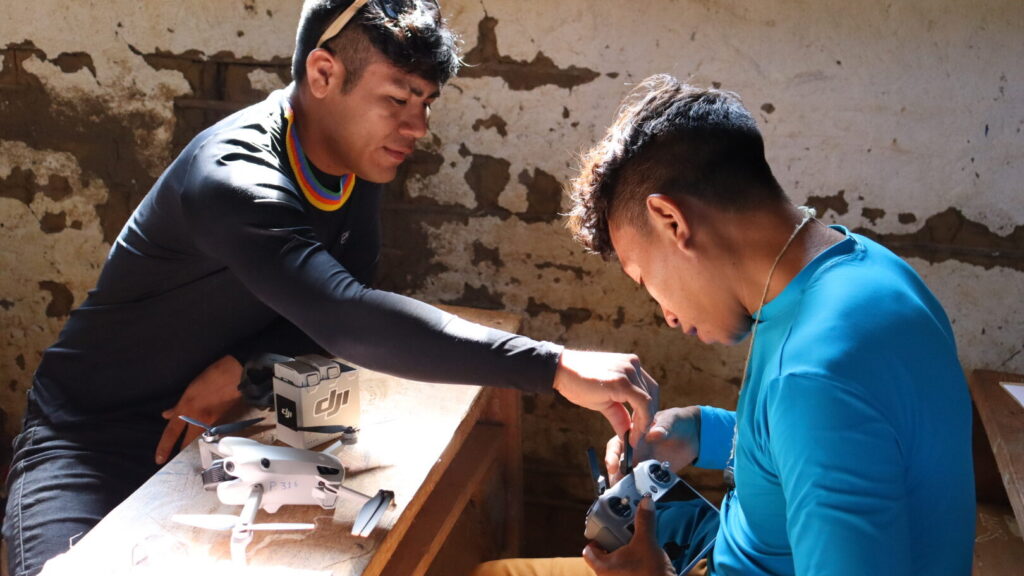
Young Ye’kwana forest monitors are documenting illegal mining and fishing using drones and sharing evidence through the Yanomami Land Alert System, reinforcing community-led forest management. The Ye’kwana are a smaller Indigenous people who live within Yanomami territory and work alongside their Yanomami neighbors to defend their shared lands.
Established in 2023 with support from UNICEF and the Instituto Socioambiental (ISA), the Yanomami Land Alert System is managed by the Hutukara Yanomami Association and the Wanasseduume Ye’kwana Association (SEDUUME). It allows for real-time registration of environmental, territorial, and health risk alerts by community monitors. Through its support to SEDUUME under the U.K. government’s Darwin Initiative, RFUS contributes to strengthening the capacity of monitors within this system2.
Food Security
Alongside enforcement actions, new federal initiatives have focused on restoring degraded areas and improving access to food. In several communities, former mining sites have been converted into agricultural, agroforestry, and fish-farming areas3.
These initiatives aim to reduce dependence on external aid and strengthen local food systems after years of environmental damage. According to Yanomami leaders, food production has improved in some areas, but logistical barriers and uneven support continue to slow progress4.
Health & Community Priorities
Expanded health services, increased staffing, and improved access to medicines have helped stabilize severe cases of malnutrition and disease. Emergency response systems are more consistent than in previous years, with the number of health professionals deployed in Yanomami territory increasing from around 600 in 2022 to nearly 1,855 in 2025, according to the Brazilian government.
However, malaria, fueled by the expansion of illegal gold mining, remains one of the most serious threats to community well-being today.
In October 2025, more than 550 Indigenous representatives signed the Carta de Surucucu, reflecting the collective assessments of Yanomami and Ye’kwana leaders on the emergency response and their priorities for territorial protection, health, and education5.
In the document, they warn: “Despite so much effort and investment, the fire of malaria continues to burn. The suffering is persistent.”
The federal government needs to invest in strategic planning and intelligence-based actions, expand health services, and fight the diseases that continue to affect our people.
– Dário Kopenawa, Yanomami leader 6
The document notes that when malaria spreads, families are unable to hunt, farm, or sustain their livelihoods, directly undermining food security and cultural practices. It also outlines broader efforts made by Yanomami and Ye’kwana leaders to define shared priorities for the future of their territory.
“We made this letter with the voice of our people, like a strong arrow,” said Davi Kopenawa, founder of the Hutukara Yanomami Association (HAY) and longtime RFUS partner.
The letter calls for stronger territorial protection, continued removal of illegal miners and accountability for their financiers, as well as expanded access to bilingual and intercultural education. For many leaders like Kopenawa, a full recovery means reinforcing Indigenous governance and land rights to ensure that future generations can remain on their ancestral lands with dignity.
Rainforest Foundation US’s Support
In Roraima, where Yanomami territory is located, RFUS supports Indigenous-led strategies by strengthening partner organizations such as the Roraima Indigenous Council (CIR), the Wanasseduume Ye’kwana Association (SEDUUME), the Hutukara Yanomami Association (HAY), the Wai Wai Indigenous Association of the Amazon (AIWA), and the Xaary Wai Wai Indigenous Peoples’ Association (APIWX). This support includes territorial monitoring, legal defense, organizational strengthening, and advocacy.
In 2026, RFUS is expanding this support in response to evolving needs. This will include additional grant funds for Hutukara to strengthen its legal department to advance territorial defense and national and international legal action.
RFUS is also supporting CIR, AIWA, APIWX, and Seduume as part of a three-year project funded by the Danish development agency (Danida), which will focus on monitoring, capacity strengthening, coalition building, climate resilience, and sustainable livelihoods.
The situation in Yanomami territory has improved since 2023, but many challenges remain. Without sustained enforcement against illegal mining, effective malaria control, and accountability for the financiers driving this crisis, the gains we’ve seen will not hold. Indigenous leaders have set the path forward—our responsibility is to ensure they have the support to carry it out.
– Christine Halvorson, Program Director at Rainforest Foundation US
In addition, through a two-year project funded by the Darwin Initiative and implemented in partnership with ISA, RFUS is working directly with Seduume to strengthen its monitoring program, advance gender inclusion, and support long-term organizational development.
This support comes at a critical moment. Rising global gold prices are intensifying pressure on Indigenous territories, and mining activity has shifted across borders as enforcement increased in Yanomami lands. The displacement of miners has created ripple effects in neighboring Guyana, reinforcing the need for sustained, coordinated, cross-border responses.
Sources:
- Governo do Brasil. Ministério dos Povos Indígenas. Governo do Brasil alcança 9 mil operações e garimpo ilegal tem queda de 98,77% na Terra Yanomami. January 2026.
↩︎ - Instituto Socioambiental (ISA). Sistema de alertas mostra que 70% das denúncias da Terra Indígena Yanomami são de invasões. June 2024. ↩︎
- Governo do Brasil. Ministério dos Povos Indígenas. Onde antes havia garimpo, agora há alimento: governo implanta unidades para a soberania alimentar na Terra Yanomami. February 2026. ↩︎
- G1. O que mudou em três anos da crise Yanomami: lideranças apontam o que ainda falta na maior terra indígena do país. January 2026. ↩︎
- Carta de Surucucu: A Voz dos Povos Yanomami e Ye’kwana. October 2025. ↩︎
- G1. O que mudou em três anos da crise Yanomami: lideranças apontam o que ainda falta na maior terra indígena do país. January 2026. ↩︎