A Message From Our Executive Director
Dear Friends and Supporters,
This year, Rainforest Foundation US (RFUS) worked closely with our Indigenous partners to advance their efforts to shape how forest finance reaches communities protecting the world’s rainforests. Despite safeguarding 36% of the world’s tropical forests, Indigenous peoples and local communities receive just 1% of international climate finance. Changing this reality is both urgent and essential, and I am deeply inspired by the strides taken to close this gap.
Together with our partners, we helped unlock over US$5 million in new direct funding from governments and private foundations to strengthen Indigenous-led forest protection efforts. Through the Global Alliance of Territorial Communities (GATC), we also supported Indigenous participation in the co-design of the Tropical Forests Forever Facility (TFFF), ensuring that this ambitious climate finance mechanism includes clear pathways for funding to reach the communities on the frontlines of rainforest protection.
Meanwhile, our work in Peru with the Interethnic Association for the Development of the Peruvian Rainforest (AIDESEP) continues to advance one of the most effective Indigenous land titling efforts in the Amazon. In 2025, we supported the completion of titling processes that secured land rights for 16 Indigenous communities in Loreto, providing long-term tenure security for communities located in this biodiversity stronghold.
We truly couldn’t do this without you. These achievements were made possible by your trust and generosity. Thank you for standing with us and with the Indigenous peoples who continue to protect the world’s rainforests for the benefit of all.
With profound gratitude,

Suzanne Pelletier
Executive Director
Rainforest Foundation US
Impact at a Glance

Land Rights
Sixteen Indigenous communities we supported received legal title to their ancestral lands in the Peruvian Amazon

Rainforest Protection
As a part of our Rainforest Alert Program, our partners monitored and protected 19.2M acres across Brazil, Peru, Guyana, and Panama using cutting-edge technology like drones and satellites to locate, verify, and prevent deforestation.

Strengthening Indigenous Organizations
We supported our partners to unlock US$5M in additional direct funding from around the world to fuel their forest protection work.
Program Highlights
Secured Indigenous Land Rights in the Peruvian Amazon
This year, RFUS, in collaboration with AIDESEP, continued to strengthen the land rights of Indigenous peoples in Loreto. This region is home to the second-largest expanse of the Amazon rainforest, after Brazil, and covers more than half of Peru’s territory. Its forests store immense carbon reserves and are safeguarded by Indigenous peoples whose stewardship is essential to local livelihoods, biodiversity survival, and the global climate.
Since 2022, we’ve worked closely with AIDESEP to develop a more efficient, Indigenous-led strategy for advancing land rights by providing logistical, financial, and technical support. In 2023 and 2024, this model secured 37 land titles through a streamlined, low-cost model that shortened a decades-long process to just a few months.
This year, the number of land titles secured grew. We supported the completion of land titling processes that granted legal tenure to 16 Indigenous communities, providing legal recognition and long-term protection for their ancestral territories. This work included community recognition (the first legal step for acknowledgment by the Peruvian state), georeferencing and boundary corrections, on-the-ground demarcation, and the expansion of community land titles.
Building on this success, with support from the Rainforest Trust, we also launched a new two-year project to expand land titling to over 40 additional communities in Peru’s Chambira–Marañón region, furthering our shared goal of ensuring Indigenous peoples have secure ownership of their ancestral territories.
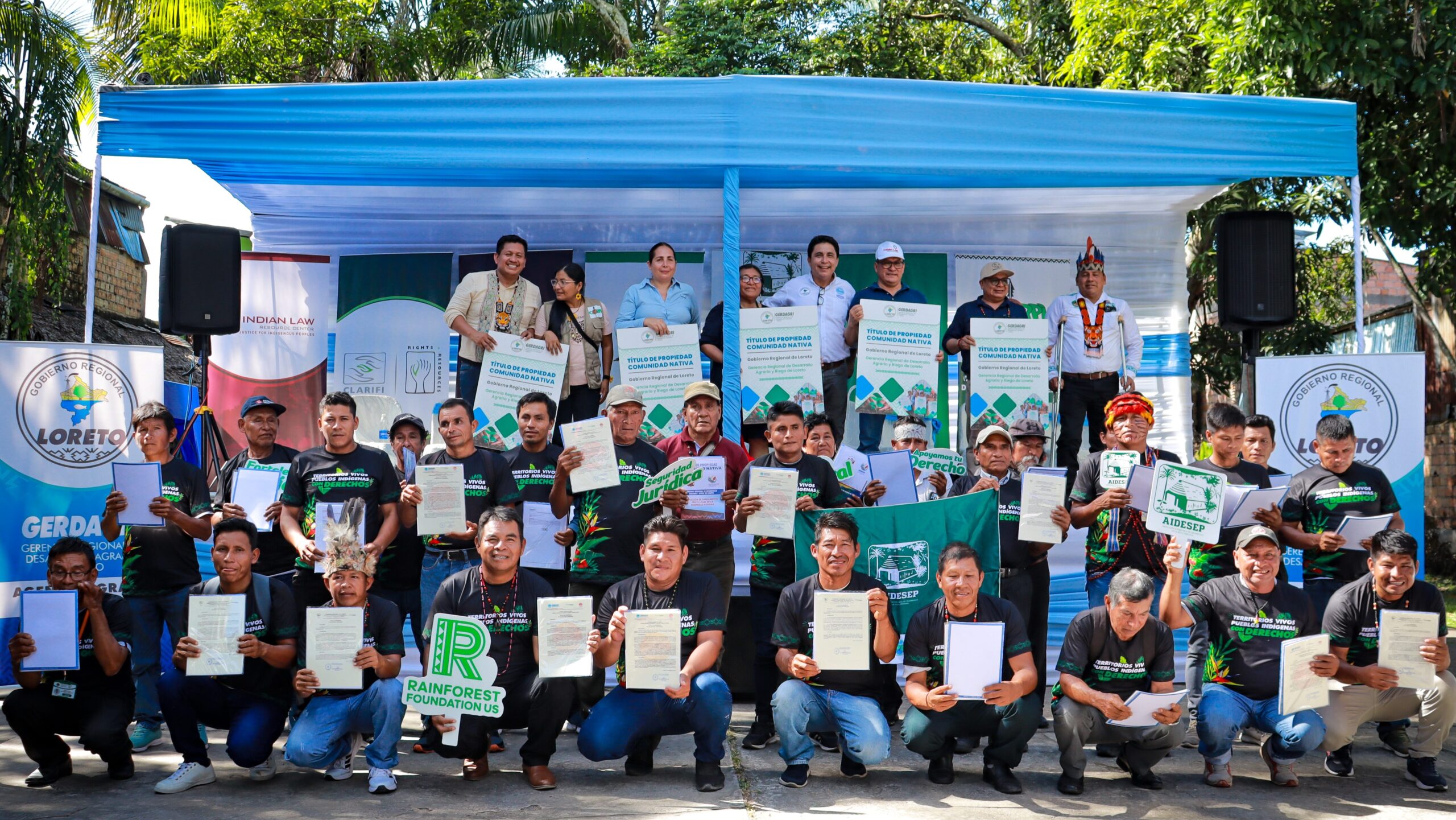
For the Indigenous communities of Chambira-Marañón, this project is a historic milestone. For decades, we have protected our territories without the necessary legal backing, without legal security. Titling means securing our future, defending our forest, and keeping alive the relationship we have with our ancestral lands.
— Jorge Pérez Rubio, President of AIDESEP
Protected 19 Million Acres Through Indigenous-Led Monitoring
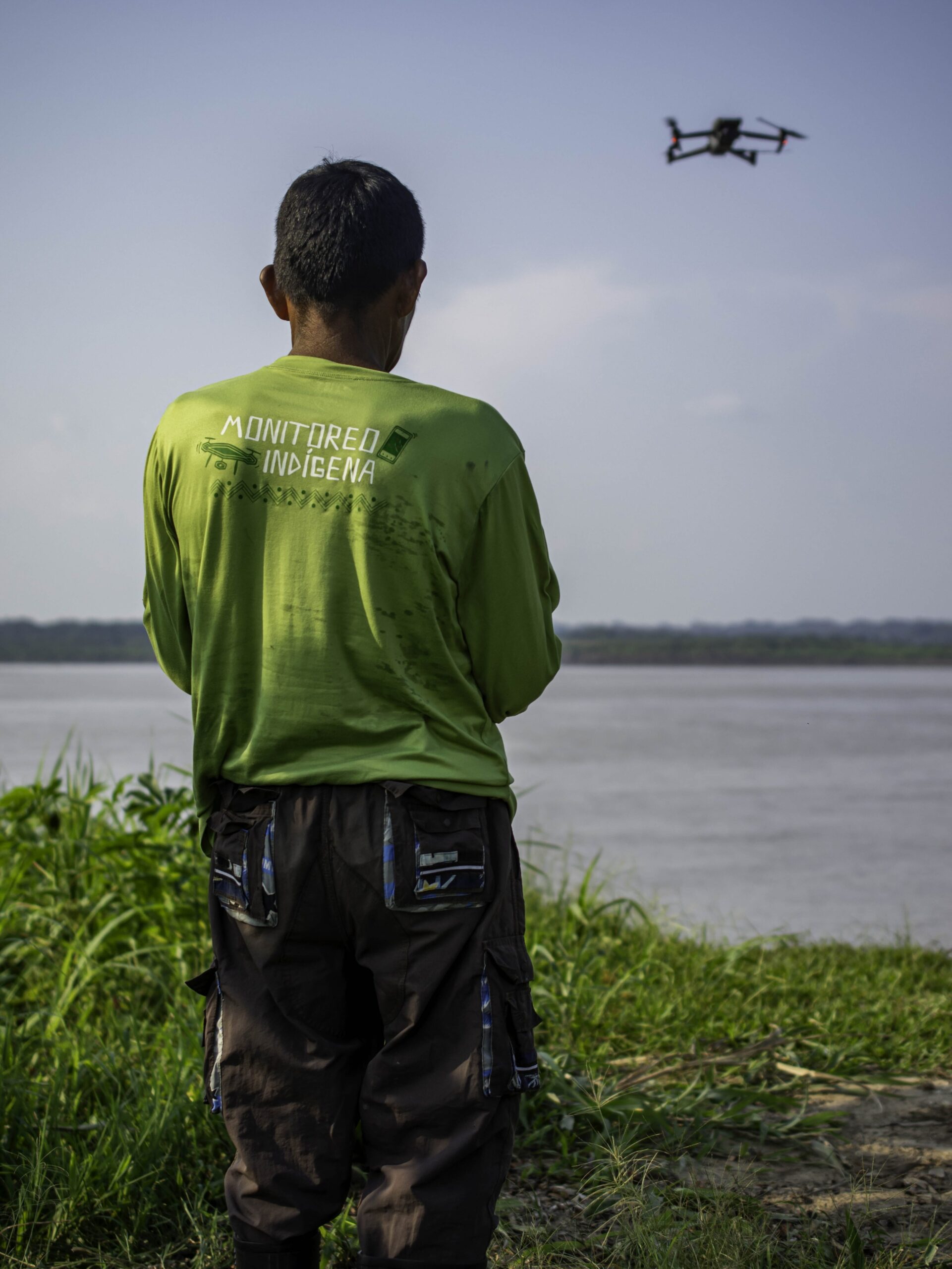
This year, RFUS accelerated the growth of our Indigenous-led monitoring program across Brazil, Peru, Guyana, and Panama, where Indigenous forest monitors use smartphones, satellite imagery, and drones to detect and prevent deforestation across 19.2 million acres of rainforest. This work combines technology with traditional knowledge, strengthening community governance and reinforcing Indigenous peoples’ inherent connections to their ancestral territories.
In Peru, communities reported that this process has helped them to reclaim and better understand their territories. As they walk the land while monitoring, guided by elders and ancestral knowledge, they document boundaries, sacred sites, and ecologically important areas. The result is stronger governance, renewed cultural connection, and deeper stewardship of the forests that sustain their lives and cultures.
Among this year’s most inspiring stories, in several communities, women are leading efforts to protect forests. Kichwa, Ticuna, and Matsés women are now conducting forest patrols and also training other women to use technology in defense of their territories.
We as monitors are an example for other women of how to take care of their forest. Because someday, these trees are going to remain for my children. That’s why we take care of our forest.
– Jhuliana Sebastian Gomez, Ticuna leader
Unlocked Direct Funding for Indigenous Forest Protection
This year, RFUS supported our Indigenous partners to access more than US$5 million in new funding from governments and private foundations. Direct funding is essential because Indigenous and local communities protect 36% of the world’s tropical forests, yet receive less than 1% of international climate finance, meaning many communities lack the resources needed to sustainably defend their territories.
RFUS’s work extends beyond securing funds: We also work closely with partner organizations to build their capacity in governance, financial management, and technical systems so they can access, manage, and sustain large grants independently.
In Peru, a significant milestone was achieved, where eight Indigenous communities from the Napo region were accepted into the National Forest Conservation Program (PNCB), a Peruvian government initiative that provides regular financial incentives to communities that avoid deforestation and protect their forests.
Our team worked closely with these communities to strengthen their territorial monitoring and prepare the technical and administrative requirements needed for admission into the program. Through this program, they will receive a total of US$1.4 million in regular payments over the next years for preventing deforestation, providing sustainable, long-term resources to strengthen their forest protection and governance efforts.
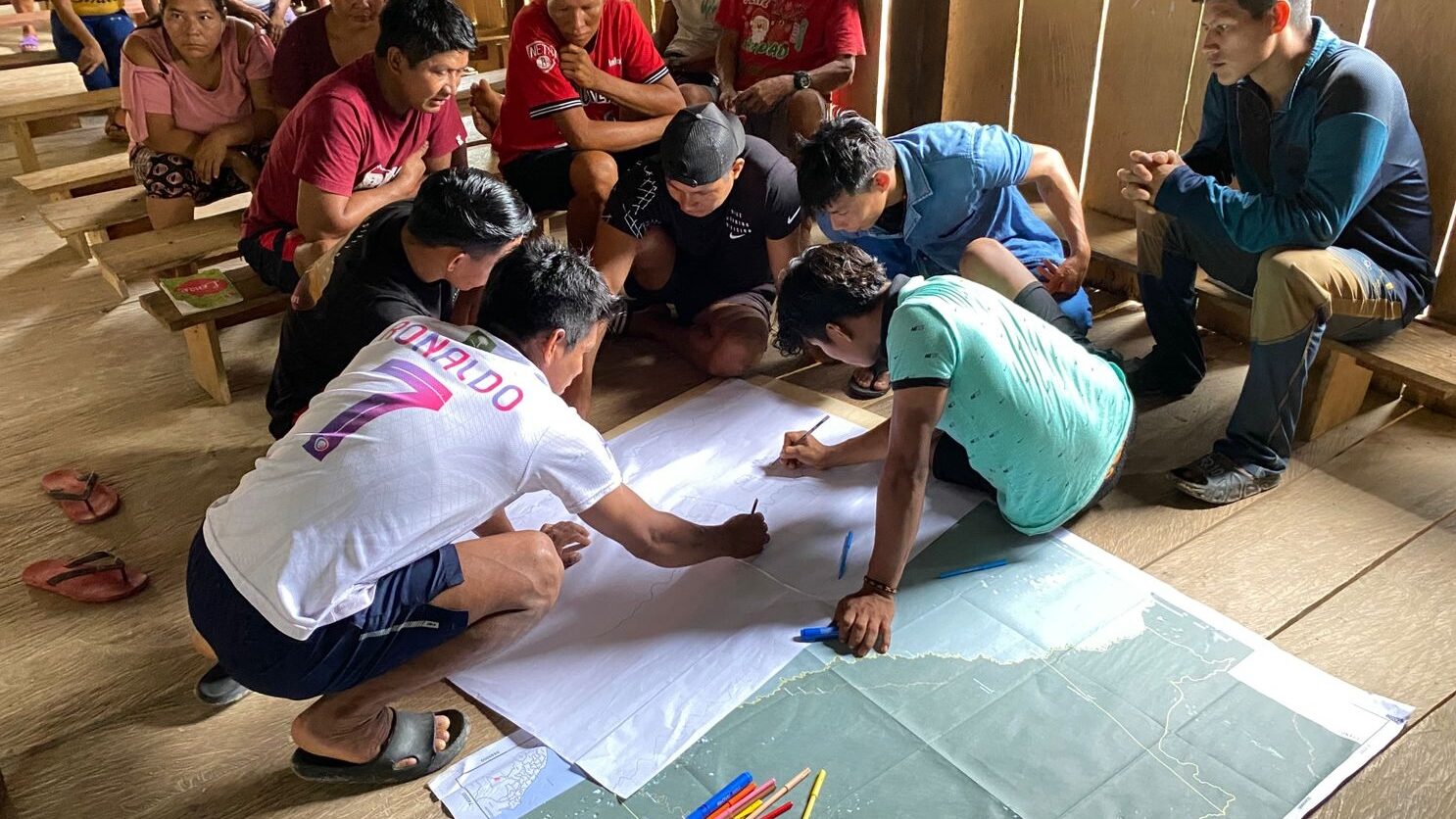
By unlocking direct funding and strengthening local governance, these steps reinforce the frontlines of global forest protection. When communities have the resources they need, the world gains stronger climate resilience, more secure carbon reserves, and healthier ecosystems.
Advanced Indigenous Leadership in Global Climate Finance
Since 2019, RFUS has worked alongside the Global Alliance of Territorial Communities (GATC), a coalition that unites Indigenous Peoples and Local Communities from the tropical and subtropical forests of Asia, Africa, and Latin America. We are its fiscal sponsor as well as its strategic ally in shaping global climate policy. This partnership has strengthened GATC’s institutional capacity and advocacy, enabling Indigenous leaders to take part in key international negotiations and forums where decisions on climate funding are made.
In May, RFUS supported GATC in organizing the First World Congress of Indigenous Peoples and Local Communities of Forest Basins, which brought together more than 300 representatives from 24 countries. The gathering delivered a clear, unified message: to protect the world’s forests and address the climate crisis, climate finance must reach the Indigenous and local communities who safeguard these territories.
In the months leading up to COP30 in Brazil, a major global climate summit where nearly every country meets to negotiate how to reduce global warming, GATC representatives played a central role in negotiations and design of the Tropical Forests Forever Facility (TFFF). The TFFF is a new mechanism launched by the Brazilian government to mobilize long-term funding for forest protection.
Through this process, Indigenous leaders helped secure a commitment that at least 20% of results-based payments from the TFFF will go directly to Indigenous and community-led institutions. This milestone is the result of years of sustained Indigenous advocacy, demonstrating how Indigenous leadership can drive structural changes in the design, governance, and delivery of climate finance.
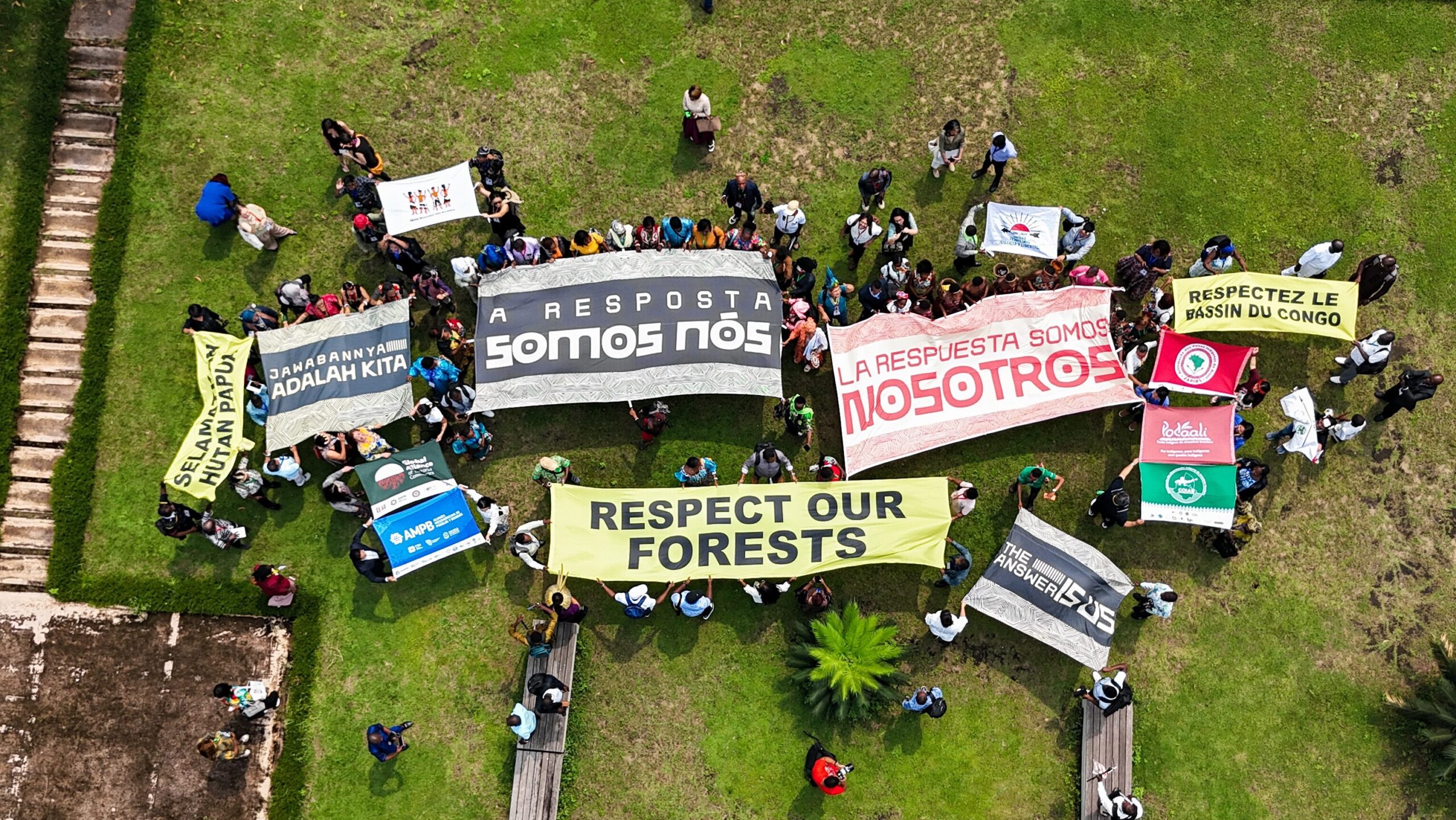
A simple goal guided our engagement in the TFFF design: to make climate finance more predictable, equitable, and accessible for Indigenous peoples and local communities.
— Joshua Lichtenstein, RFUS Policy Director
Expanded Indigenous Capacity and Governance for Long-Term Funding
Across Peru, Guyana, and Mesoamerica, Indigenous-led initiatives supported by RFUS have shown what is possible when funding reaches communities directly. These efforts have demonstrated that Indigenous organizations can design, manage, and implement programs with the level of rigor and transparency donors require—often more effectively than traditional intermediaries, which can impose technical, cultural, and administrative barriers that prevent funding from reaching the ground.
Because these models have worked so well on the ground, we compiled their lessons into a set of case studies to help governments, donors, and climate funds replicate what is already working in Indigenous territories. The case studies illustrate practical pathways for channeling long-term funding directly to Indigenous and local organizations, while strengthening the institutional capacity needed to manage resources autonomously over time.
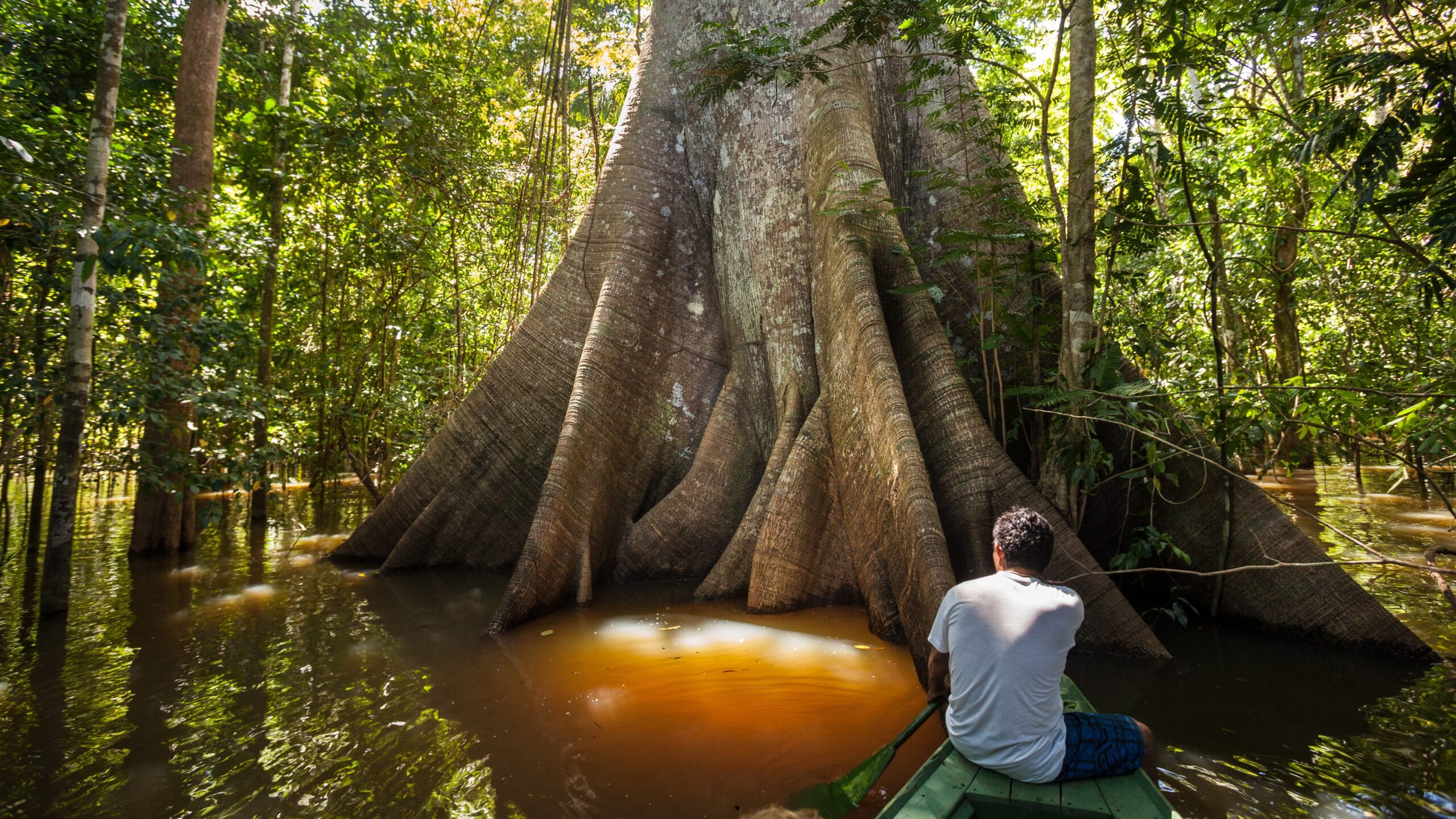
No one protects tropical forests more effectively than Indigenous peoples, yet they receive only a fraction of climate funding. RFUS case studies prove it’s possible to change that by facilitating the flow of funding directly to their organizations, while strengthening their institutional capacity so that they can access large grants and manage them autonomously over the long term.
— Victor Gil, Capacity Strengthening Senior Program Manager, RFUS
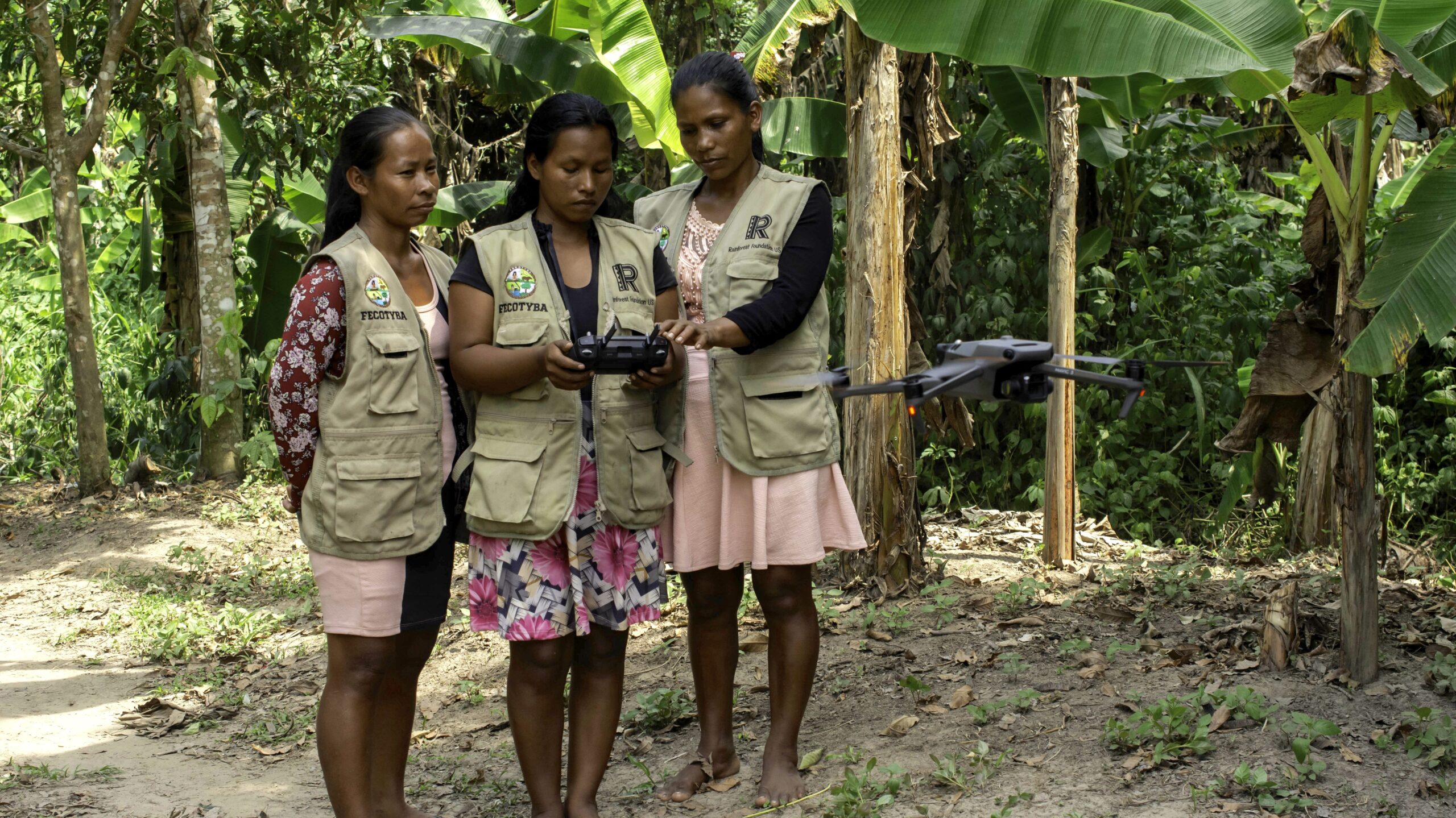
Special Match Opportunity – Double Your Impact Now
This winter, we have a rare opportunity. From now until December 31, a generous donor will be matching all gifts, $1-to-$1, to our $50,000 goal.
Now is the perfect moment to support Indigenous communities to protect their forests and our climate. If you’re interested in making a matched gift now, you can do so here.
You can also double your impact while reducing your tax burden: we accept gifts from donor advised funds, stock donations, qualified charitable distributions from your individual retirement account, and crypto donations. It’s easier than you might think, and we’ve broken it down for you and provided quick tools on our Ways to Support page.
Thank you for everything that you do. You can learn more at www.rainforestfoundation.org/give, and if you have any questions, please don’t hesitate to reach out to [email protected]. We’d love to hear from you!