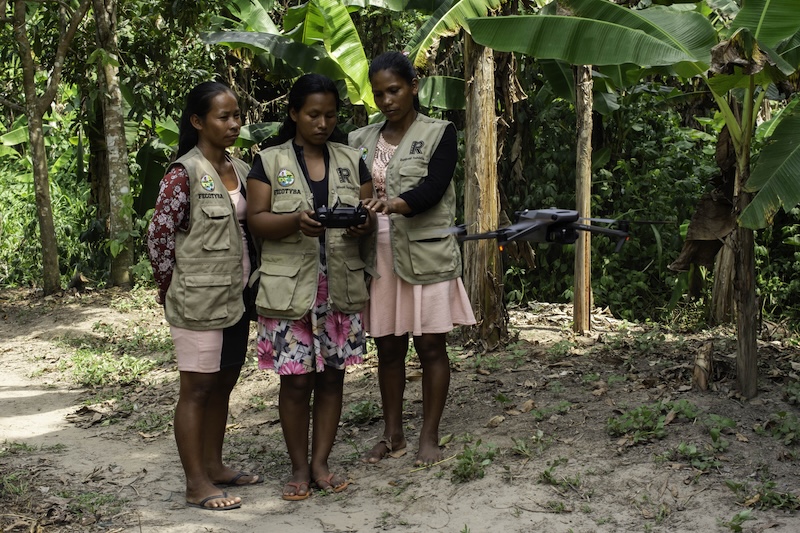
Indigenous women monitor the Peruvian Amazon with the help of technology (Article published in Spanish by Mongabay)
Paving the Way Towards COP30: “The answer is us—all of us”
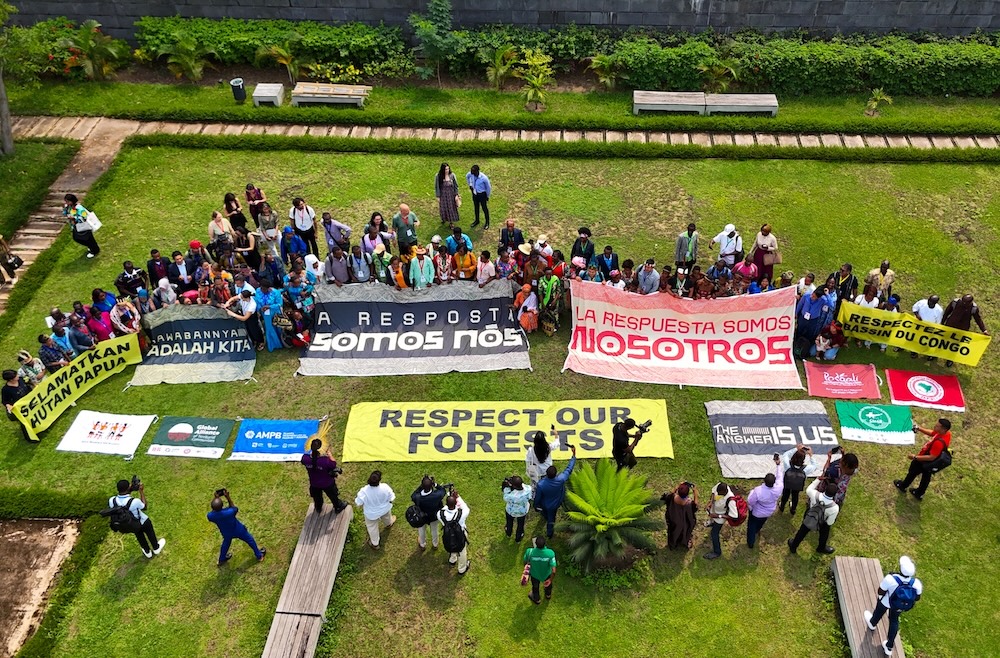
Last month in Brazzaville, Republic of Congo, Indigenous peoples and local communities gathered to send a powerful message to the world: the future of Earth’s forests, and the survival of all life they sustain, hinge on Indigenous peoples and local communities.
Stories From the Ground: A Visit to Upper Napo Beekeepers and Rainforest Monitors
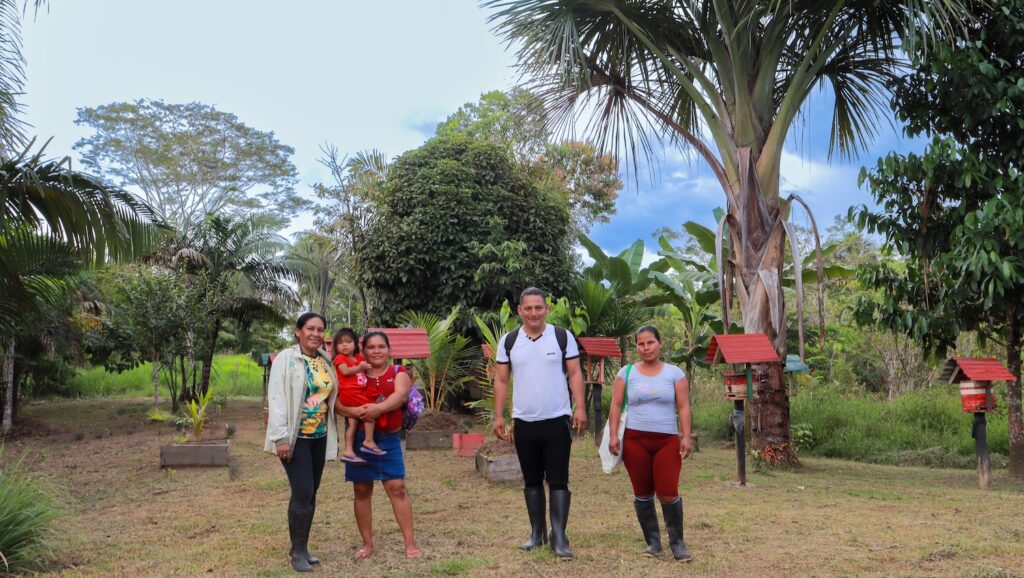
We’re often asked what it’s like to journey deep into the Amazon to meet with our partners on the frontlines of rainforest protection. As part of our new series, Stories From the Ground, we’ll be sharing firsthand experiences from our field team. In our latest trip, members of the Rainforest Foundation US (RFUS) team, joined […]
The Artisans of Chunga: An Opportunity to Care for the Forest
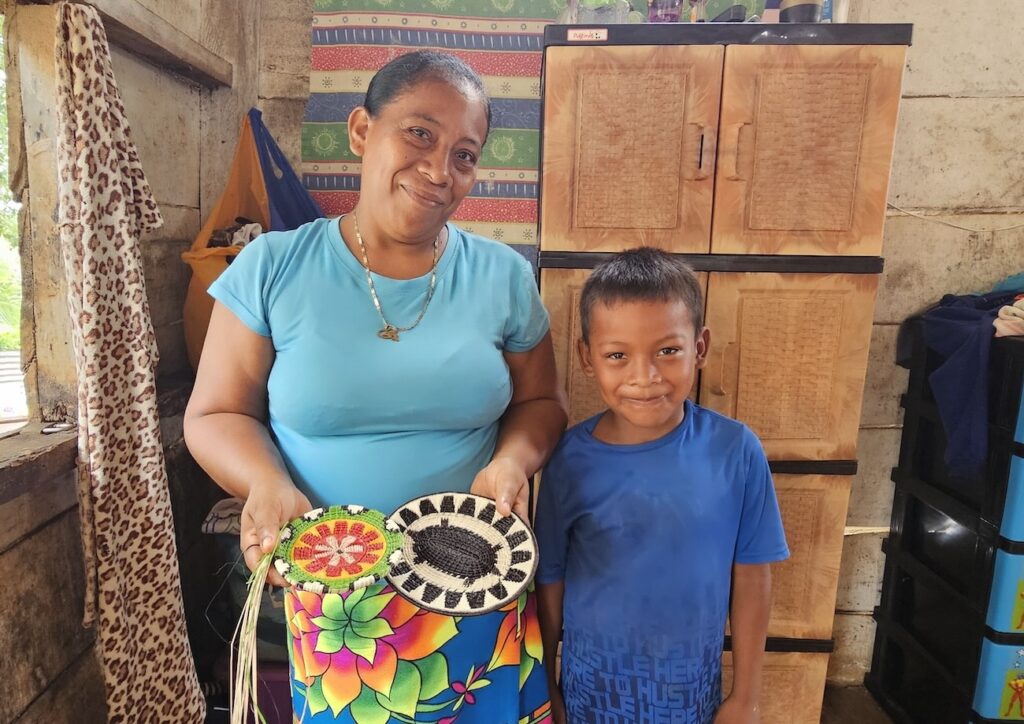
The Embera Wounaan Comarca is implementing a REDD+ project to strengthen sustainable forest management and curb deforestation by promoting traditional practices like basket weaving and culture-based economies.
Climate Resilience in Action: Lessons from Indigenous Communities in Brazil’s Amazon
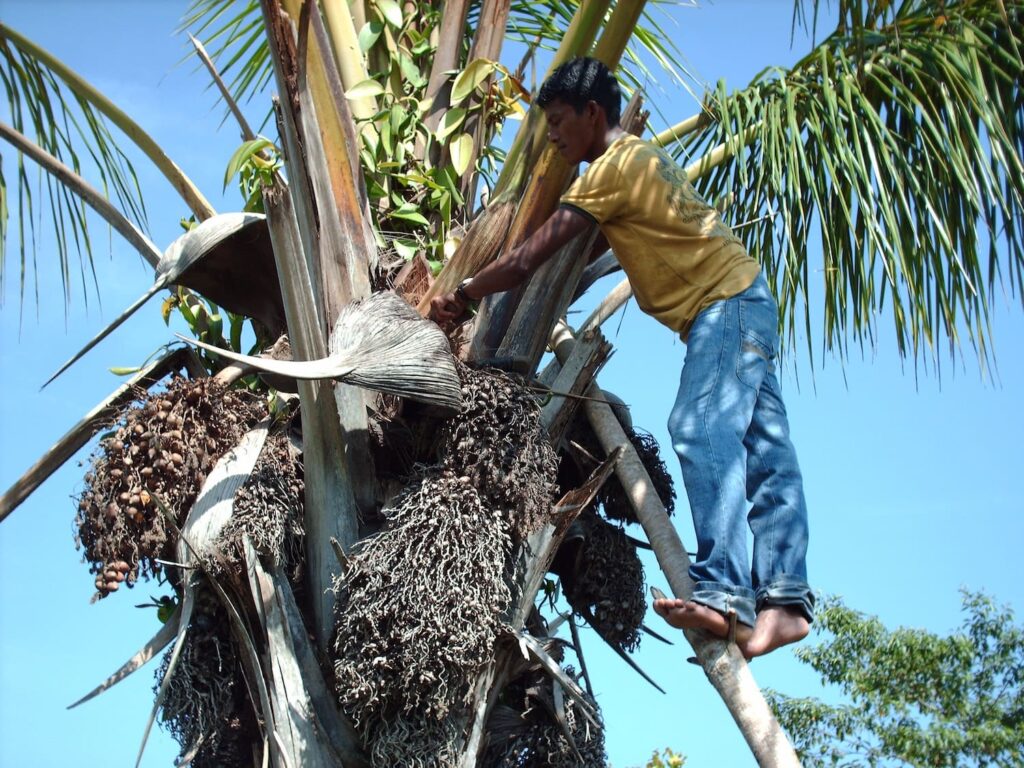
In the heart of the Brazilian Amazon, Indigenous communities are showing the world what true climate resilience looks like. The Amazon rainforest is one of the most vital ecosystems on Earth, but it’s also one of the hardest hit by climate change. Vast expanses of once-healthy forest have been devastated by record-breaking droughts, relentless fires, […]
Marchés du Carbone et Nos Droits : Un Guide pour les Peuples Autochtones et les Communautés Locales
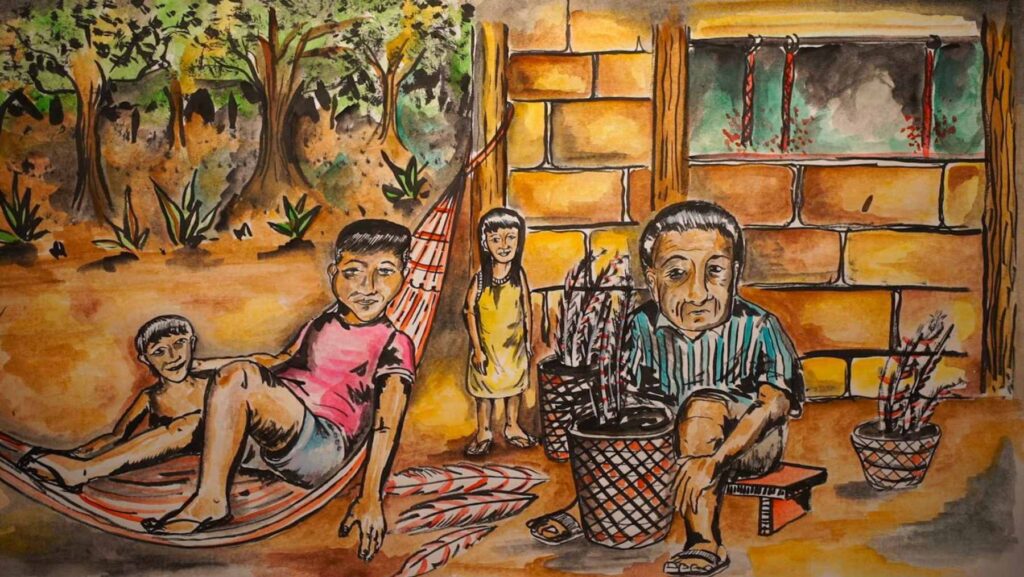
Le marché volontaire du carbone évolue rapidement et s’étend à de nouveaux territoires, ce qui rend difficile de distinguer qui fait quoi et quelles sont les implications pour les communautés concernées. Afin d’aider les peuples autochtones et les communautés locales à mieux comprendre les marchés du carbone, Rainforest Foundation US a lancé une série animée en six parties pour démystifier ce marché et fournir aux communautés des informations essentielles pour protéger leurs droits.
Las Fronteras de la Amazonía: Un Bastión Vital para Pueblos Indígenas en Aislamiento Voluntario
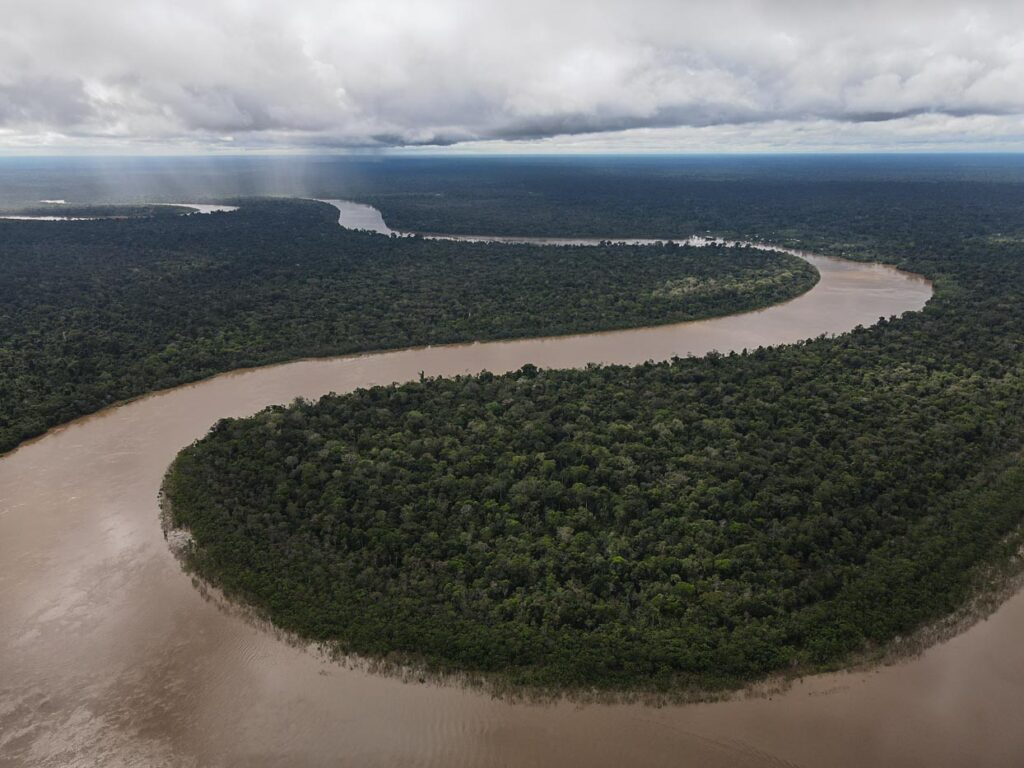
En las zonas fronterizas de la Amazonía peruana y brasileña, los corredores Yavarí-Tapiche y Pano Arawak contienen los territorios contiguos más grandes del mundo donde pueblos indígenas viven en aislamiento voluntario.
The Amazon’s Borderlands: A Vital Stronghold for Indigenous Peoples Living in Voluntary Isolation
In the borderlands of the Peruvian and Brazilian Amazon rainforest, the Yavarí-Tapiche and the Pano Arawak Corridors contain the world’s largest contiguous territories of Indigenous peoples living in voluntary isolation.
What if We Acted for Our Planet Before It’s Too Late?
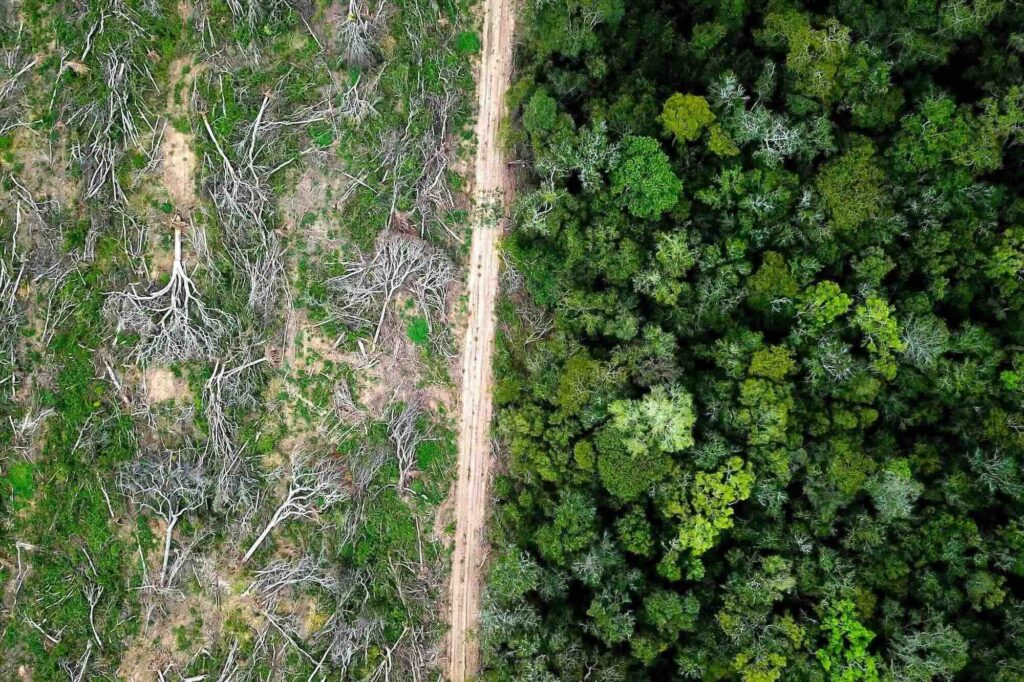
Rainforest Foundation US (RFUS), alongside Indigenous partners, has long advocated for a proven solution to mitigate the impacts of climate change—securing Indigenous peoples’ rights to their ancestral lands in Latin America’s rainforests.
Spring 2025 Newsletter